
 Signature Massage
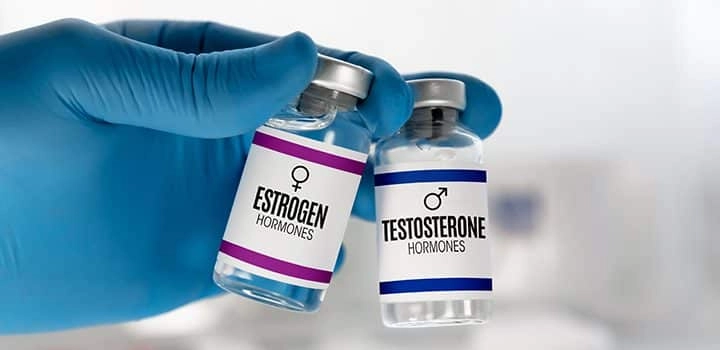 Hormone Replacement Therapy
 Laser Hair Removal
 Weight Loss
 Lymphatic Drainage
 Botox
Botox
 VAGINAL REJUVENATION
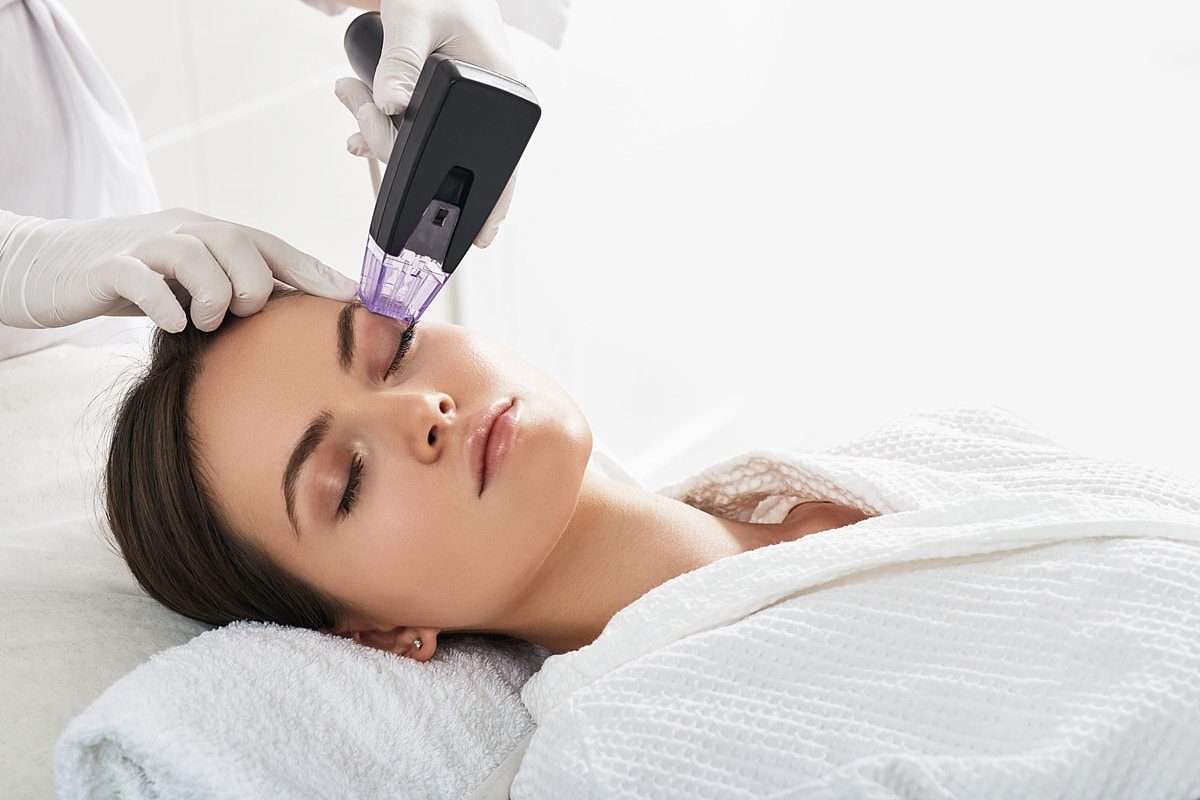 MORPHEUS8 FACE
 MORPHEUS8 BODY
 TONE
TONE URINARY INCONTINENCE
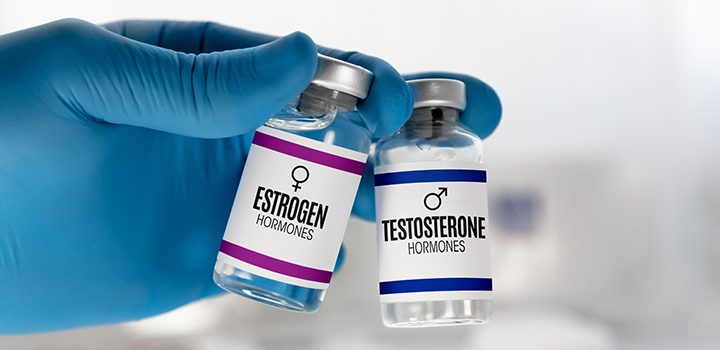 HORMONE THERAPY
 TED Hair Restoration
 P-Shot
 Laser Hair Removal
 Morpheous Face
 Men’s Weight Loss
VTone treatment offers women a non-invasive way to address stress and functional urinary incontinence by strengthening pelvic floor muscles through targeted electrical stimulation. With no surgery, needles, or downtime, sessions are quick, comfortable, and effective. Summit Medical Spa helps women regain bladder control and confidence, moving beyond pads and outdated fixes toward lasting relief.
VTone treatment is a non-surgical therapy that uses targeted electrical stimulation to strengthen the pelvic floor muscles responsible for bladder control. It’s become a go-to option for women dealing with stress, urge, or functional urinary incontinence – without medication or downtime.
If that sentence sounds a little clinical, stick with us, because the real story here is much more human. Millions of women deal with bladder leaks every single day – when they laugh, sneeze, jog, or simply can’t make it to the bathroom in time – and most of them never talk about it. It’s one of those conditions that quietly shapes decisions: what pants to wear, whether to go to the gym class, whether to say yes to that hike. And for a long time, the “solutions” on offer weren’t great. Pads. Surgery. Medications with side effects nobody wants. So it makes sense that women are now actively searching for something better, and increasingly, they’re finding it in VTone.

What Exactly Is VTone Treatment?
VTone uses gentle electromagnetic or electrical muscle stimulation to activate the pelvic floor – the sling of muscles that support the bladder, uterus, and bowel. Think of it like a highly targeted workout for muscles you can’t consciously flex on your own. Over a series of sessions, this stimulation helps rebuild strength and coordination in muscles that have weakened due to childbirth, aging, hormonal shifts, or simply years of poor pelvic floor engagement.
Unlike invasive procedures, there’s no anesthesia, no incisions, and typically no recovery time. Most women describe the sensation as a deep, rhythmic muscle contraction – similar to an intense workout, but while sitting comfortably in a chair.
Why Female Urinary Incontinence Is So Common (and So Under-Discussed)
Female urinary incontinence treatment has historically lagged behind other areas of women’s health, partly because the condition carries so much unnecessary stigma. Pregnancy and vaginal childbirth stretch and sometimes weaken pelvic floor muscles. Menopause brings a drop in estrogen, which affects tissue elasticity and bladder support. Add in normal aging, and it’s no surprise that incontinence affects a huge percentage of women at some point in their lives – yet so few feel comfortable bringing it up, even with their own doctors.
This silence has real consequences. Women often adjust their entire lifestyle around leakage instead of seeking treatment, assuming it’s just “part of getting older” or “part of having kids.” It isn’t something you have to simply live with.

Stress Incontinence vs. Functional Incontinence
These two terms get used a lot, but they describe different problems – and understanding the difference helps explain why VTone works for both.
Stress urinary incontinence treatment typically targets leakage triggered by physical pressure on the bladder – coughing, sneezing, laughing, lifting, or exercising. This happens when the pelvic floor muscles and urethral sphincter aren’t strong enough to counteract that sudden pressure.
Functional urinary incontinence, on the other hand, isn’t always about muscle weakness alone. It can involve a mismatch between the urge to urinate and the body’s ability to respond in time, sometimes tied to mobility, cognitive factors, or nerve signaling issues. VTone’s muscle-strengthening and neuromuscular re-education approach can help improve the response and control tied to both categories, which is part of why it’s gained traction as a broader solution rather than a narrow fix.
What a VTone Session Actually Looks Like
Sessions are typically quick – often around 20 to 30 minutes – and require no preparation. You stay fully clothed. A specialized device sits beneath you, delivering stimulation that causes the pelvic floor muscles to contract and release repeatedly, similar to thousands of Kegel exercises compressed into a single session. Most treatment plans involve multiple sessions over several weeks, since consistent muscle re-training – not a single visit – is what produces lasting results.
Many women report noticing a difference in bladder control within just a few sessions, with continued improvement as the treatment plan progresses.
Why Women Are Choosing VTone Over Other Options
A few reasons keep coming up:
- It’s non-invasive. No surgery, no needles, no anesthesia.
- There’s no downtime. You can go straight back to your day after a session.
- It addresses the root cause. Rather than managing symptoms, it works to rebuild the muscle function behind them.
- It’s comfortable and private. Sessions are fully clothed and discreet.
- It fits into real life. Short appointments mean it’s realistic to stick with a full treatment plan.
For women who’ve felt like their choices were limited to “wear a pad” or “have surgery,” VTone offers a genuinely different middle path.
Pair FormaV RF with VTone
Final Thoughts: Summit Medical Spa
Bladder leaks shouldn’t be something women just quietly manage for the rest of their lives. At Summit Medical Spa, we’ve seen firsthand how much confidence returns when women finally address incontinence instead of working around it. VTone offers a comfortable, non-invasive path forward – one built on strengthening the body rather than masking the symptoms. If leakage has been holding you back from the gym, a night out, or just feeling like yourself, it might be time to have that conversation. You don’t have to accept it as your new normal.
Frequently Asked Questions
Is VTone treatment painful?
No. Most women describe the sensation as a strong, rhythmic muscle contraction rather than pain. It’s often compared to an intense pelvic floor workout.
How many VTone sessions are usually needed?
Most treatment plans involve multiple sessions spread over several weeks, since muscle strengthening happens gradually with consistent stimulation rather than all at once.
Can VTone help with both stress and functional incontinence?Yes. Because it strengthens and retrains the pelvic floor muscles broadly, VTone is often used as part of a treatment approach for both stress urinary incontinence and functional urinary incontinence.
Is VTone only for older women?
No. While incontinence becomes more common with age, younger women – especially postpartum – also use VTone to rebuild pelvic floor strength after childbirth.
Do results from VTone last?
Many women maintain results with the recommended treatment course, and some choose occasional maintenance sessions to sustain pelvic floor strength over time.