Summit Medical Spa - Spanish Fork Spa Treatment & Float
Categories
Skincare Treatments

When Is the Best Time to Get an IPL Photofacial?

Let me guess. You have been staring at those stubborn brown spots in the mirror for months now. Maybe years. You have tried the serums, the brightening creams, the vitamin C everything. And yet, there they are. Still sitting on your cheeks like they own the place.

That is usually what brings people to look into an IPL photofacial for the first time. And honestly, if you have been on the fence about it, this might be the nudge you needed.

But here is the thing most people do not think about: timing matters more than you would expect with this treatment. Getting it done at the wrong time of year can actually slow down your results or make recovery more annoying than it needs to be. So let us talk about when to go for it and what to expect when you do.

First, What Even Is an IPL Photofacial?

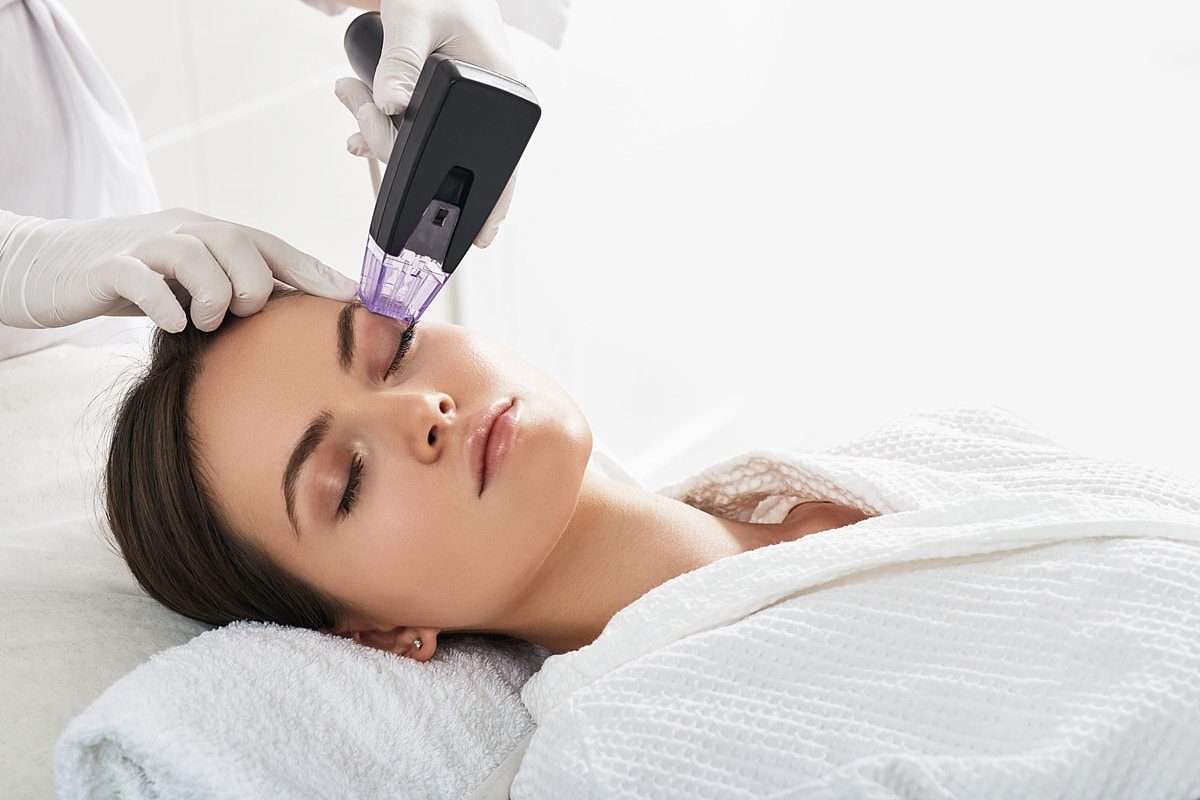
If this is your first time hearing about it, no worries. IPL stands for intense pulsed light. During the treatment, a handheld device pulses light energy into your skin, and that light targets things like dark spots, redness, broken blood vessels, and sun damage. It does not just treat the surface either. It goes a little deeper and actually stimulates collagen production over time.

The IPL photofacial benefits are genuinely impressive when you see them add up. Skin looks more even, brighter, smoother, and just healthier overall. A lot of people say it is the treatment they wish they had started sooner. And if you spend even five minutes looking at IPL photofacial before and after photos, you will see exactly what the fuss is about.

Best seasons for IPL skin rejuvenation treatments

Okay, So When Should You Actually Book It?

Here is the honest answer: fall or winter is your sweet spot. And there is a very practical reason for that.

After an IPL session, your skin becomes more sensitive to UV rays. If you walk out into strong summer sun without serious protection, you risk irritation, uneven pigmentation, or just not getting the full benefit of what you paid for. In the fall and winter months, you are naturally spending less time baking in the sun. That lower sun exposure gives your skin the breathing room it needs to heal between sessions and really respond to the treatment.

A lot of people start their series in October or November, work through their sessions over the cooler months, and by the time spring rolls around their skin looks noticeably different. It is honestly a very smart way to do it.

What About Summer Though?

Summer is not completely off the table, but you have to be realistic with yourself. If your weekends involve beach days, hikes, or outdoor events, summer is probably not the right time. Tanned skin or freshly sun-exposed skin does not respond well to IPL. It raises the risk of burns or blotchy results, and that is the last thing anyone wants.

If you do decide to go ahead with IPL in the warmer months, you need to be strict about sun protection every single day. We are talking SPF 30 or higher, reapplied throughout the day, non-negotiable. Some people manage it just fine. But you have to go in with your eyes open.

How Many Sessions Are We Talking?

Most people need somewhere between three and six sessions, usually spaced about four weeks apart. Your provider will take a look at your skin, talk through your goals, and map out a plan that makes sense for you specifically.

What is nice about IPL is that results build on each other. Your skin keeps improving even after your last session as collagen production continues. Many people notice a real difference after just the first or second appointment, which makes the whole process feel worth it pretty quickly.

Is IPL Right for Your Skin?

IPL works really well for lighter to medium skin tones. Because the light targets the contrast between pigmentation and surrounding skin, it is most effective when there is a clear difference to work with. If you have dark spots, sun damage, rosacea, redness, or just general dullness, you are probably a great candidate.

If you have a deeper skin tone or a heavy tan right now, your provider might steer you toward a different option to make sure you get safe, even results. That is why a proper consultation matters so much. It is not about gatekeeping the treatment. It is about making sure you actually get the outcome you came for.

Reveal Your Best Skin

Ready to experience the remarkable benefits of IPL? Summit Medical Spa offers expert IPL photofacial treatments to restore your skin's natural radiance.

A Few Things to Do Before and After

Before your appointment, stay out of the sun for at least two weeks. Skip the self-tanner and set aside your retinol or exfoliating acids a few days before you go in. Show up with clean, bare skin and no active tan.

After your session, sunscreen becomes your best friend. Put it on every morning, even on cloudy days, even in winter. If some of your dark spots look temporarily darker in the days after treatment, do not panic. That is completely normal. They are working their way out and will flake off naturally. Do not pick at them. Also skip intense workouts for a day or two to let any surface redness calm down.

It sounds like a lot but it really becomes second nature once you are in the routine of it.

Come See the Team at Summit Medical Spa

If any of this has you thinking it might be time to finally do something about your skin, Summit Medical Spa is a great place to start. The team there genuinely takes the time to look at your skin, hear what is bothering you, and put together a plan that is built around your actual goals, not a one-size-fits-all approach.

Whether you are brand new to med spa treatments or you just want to add IPL to what you are already doing, they will make sure you know exactly what to expect every step of the way. Book a consultation and find out what an IPL photofacial can do for your skin.

Questions People Always Ask About IPL Photofacials

1. How long does a session take? Most appointments wrap up in about 20 to 45 minutes depending on how large the treatment area is. A lot of people fit it into their lunch break without any trouble.

2. Does it hurt? Honestly, it is pretty manageable. Most people describe it as a light snapping sensation, almost like a small rubber band flick against the skin. It is over quickly and fades right away. Nothing to stress about.

3. When will I actually start seeing results? You may notice your skin looking a bit brighter within the first week. Some dark spots will temporarily get darker before they fade, which is just the pigment rising to the surface. Real, visible improvement typically shows up after a couple of sessions.

4. Can I wear makeup right after? Give your skin 24 hours before going back to makeup. After that first day, if your skin feels comfortable you can return to your usual routine without issue.

5. How long do the results last? With a solid skincare routine and daily SPF, results can last a year or more. Many people do a touch-up session or two each year to maintain that fresh, even look they worked toward.

Categories
Massage Therapy

When Is the Best Time to Include Lymphatic Massage in Your Routine?

If you recently had surgery or you are just looking for a way to feel better in your body, lymphatic massage might be exactly what you need. More and more people are adding this gentle treatment to their wellness routines, and for good reason. But timing matters a lot when it comes to getting the best results.

Let’s break it all down in simple terms so you know exactly when to book your session and what to expect.

What Is Lymphatic Massage, Anyway?

Lymphatic massage, also called lymphatic drainage massage, is a soft, rhythmic massage technique that helps move fluid through your lymphatic system. Your lymphatic system is responsible for removing waste, toxins, and excess fluid from your body.

When this system gets sluggish, especially after surgery, you can experience swelling, puffiness, and that heavy feeling in certain areas. A trained therapist uses gentle, flowing strokes to help your body drain that built-up fluid naturally.

The lymphatic drainage massage benefits go beyond just reducing swelling. People report better skin texture, improved immunity, reduced bloating, and just an overall feeling of lightness after regular sessions.

Best time for lymphatic massage infographic showing recommended sessions after surgery, before an event, after travel, and for monthly wellness at Summit Medical Spa.

After Surgery: The Most Important Window

If you had liposuction, a tummy tuck, or any body contouring procedure, this is where timing becomes really critical.

Most surgeons and wellness professionals recommend starting lymphatic drainage massage within the first one to two weeks after surgery, once your doctor gives the green light. This early stage is when fluid tends to pool the most, and getting ahead of it can make a huge difference in your results.

Here is what the post-surgery timeline typically looks like:

  • Week 1 to 2: Your surgeon will let you know when it is safe to begin. Some patients start as early as 3 to 5 days post-op with very gentle sessions.
  • Week 2 to 6: This is the peak window for lymphatic drainage. Swelling is still present, fibrosis (internal scar tissue) may begin forming, and your body needs help moving that fluid out. Most people benefit from two to three sessions per week during this phase.
  • Week 6 and beyond: Sessions can taper off to once a week or even biweekly as your body heals and results become more visible.

Looking at lymphatic drainage massage before and after photos from people who followed a consistent post-op massage schedule, the difference in swelling reduction and contouring results is genuinely impressive. The people who start early and stay consistent tend to see smoother, more even results.

Not Just for Surgery Recovery

You do not have to be recovering from a procedure to benefit from this treatment. There are plenty of everyday situations where lymphatic massage fits right in.

  • Before a big event: Many beauty and wellness clients book a session one to two days before a wedding, photoshoot, or vacation. It helps reduce water retention and gives skin a more sculpted, glowing appearance.
  • During or after travel: Long flights cause major fluid retention in the legs and ankles. A post-travel session helps your body reset quickly.
  • Monthly wellness routine: Some people add it alongside their facials or other spa treatments. Once a month is a popular rhythm for general wellness, detox support, and keeping the immune system humming along.
  • During high-stress periods: Stress slows down lymphatic flow. A massage session during a tough week at work or after an illness can help your body clear out more efficiently.

Lymphatic Drainage Care

How Many Sessions Do You Actually Need?

This really depends on your goal. For post-surgical recovery after liposuction or a tummy tuck, most providers suggest a series of six to twelve sessions, especially in those first weeks. For general wellness, even one to two sessions a month can keep things moving in the right direction.

If you are searching for lymphatic drainage massage Utah and feeling overwhelmed by options, look for a provider who specializes in post-operative care and uses proper manual lymphatic drainage techniques. Not all massage therapists are trained the same way for this specific work.

Support Your Body After Treatment

Help your body stay balanced and reduce swelling with the right care after your lymphatic drainage treatment

Why Summit Medical Spa?

At Summit Medical Spa, the team understands that recovery is not one-size-fits-all. Whether you are three days post-op from a tummy tuck or simply looking to feel less bloated and more energized, the approach is tailored to where you are in your journey.

The therapists here are trained specifically in post-surgical lymphatic drainage, and they work closely with clients to build a session schedule that actually fits their healing timeline and goals. You will feel heard, supported, and genuinely taken care of from the moment you walk in.

If you are ready to speed up your recovery, reduce swelling, and see better results from your procedure, Summit Medical Spa is the place to start.

FAQs

1. How soon after liposuction can I get a lymphatic drainage massage?

Most surgeons clear patients to begin gentle lymphatic massage around three to five days after surgery. Always check with your surgeon first before booking your first session.

2. Does lymphatic drainage massage hurt?

Not at all. It is one of the gentlest forms of massage out there. The strokes are light and rhythmic. If anything, most people find it deeply relaxing.

3. How long does each session take?

A typical session runs between 60 and 90 minutes depending on the treatment area and your recovery stage.

4. Can lymphatic massage help with fibrosis after lipo?

Yes, regular sessions during the early healing phase can help prevent or soften fibrosis, which is that lumpy, hardened scar tissue that can form under the skin after liposuction.

5. How many sessions will I need to see results?

Many clients notice a visible reduction in swelling after just one to two sessions. For full post-surgical benefits, a series of six to twelve sessions over the first four to six weeks is commonly recommended.

Categories
Hormone Replacement Therapy

Why Choose Bioidentical Hormone Replacement Therapy in Utah?

Most people do not think much about hormones until something starts to change.

You may feel tired even after getting enough sleep. Your focus may not feel as sharp as it used to. Some people notice they get irritated more easily. Others feel drained halfway through the day for no clear reason.

At first, it is easy to blame stress or a busy schedule. Many people tell themselves they just need more sleep, better habits, or a vacation.

But sometimes the body is dealing with something deeper.

Hormones help control many parts of daily life. They affect energy, mood, sleep, metabolism, mental focus, and sexual health. When hormone levels shift, even small tasks can start to feel harder than before.

This is one reason more people are looking into bioidentical hormone replacement therapy Utah. They are not looking for quick fixes. Most simply want to feel steady, rested, and comfortable in their own body again.

What Is Bioidentical Hormone Replacement Therapy?

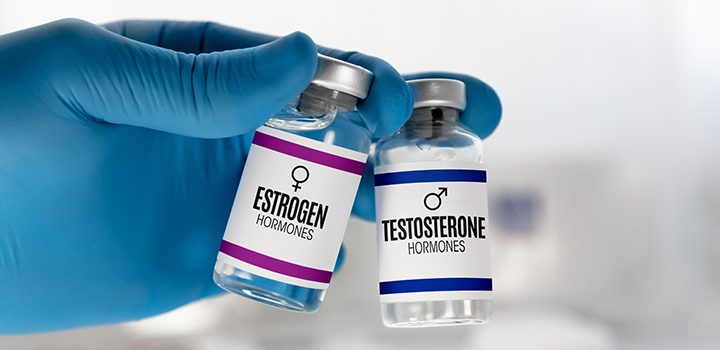
Bioidentical hormone replacement therapy uses hormones that are made to closely match the hormones produced naturally by the body.

Doctors may recommend this treatment for people dealing with menopause, perimenopause, or low testosterone. Treatment usually starts with lab work, symptom reviews, and a discussion about overall health.

Every person is different. Some patients struggle with sleep and low energy. Others deal with brain fog, weight gain, mood changes, or low sex drive.

Because of that, treatment plans are built around the patient, not around a standard formula.

The goal is simple. Help the body regain balance and improve how a person feels day to day.

Hormone therapy wellness benefits medical infographic

Common Signs of Hormone Imbalance

Hormone imbalance can affect both men and women. The symptoms often appear slowly over time.

Common signs include:

  • Low energy
  • Poor sleep
  • Brain fog
  • Mood swings
  • Weight gain
  • Hot flashes
  • Night sweats
  • Low sex drive
  • Trouble focusing
  • Muscle loss

Many people spend years trying to push through these symptoms. They drink more coffee, try new diets, or force themselves through workouts while still feeling exhausted.

At some point, many realize the issue is not just stress or aging alone.

Why People Choose Bioidentical Hormone Replacement Therapy Utah

People choose bioidentical hormone replacement therapy Utah because they want care that feels personal and medically supervised.

Many adults in Utah live active lives. When sleep, recovery, or energy levels start to change, it can affect work, exercise, family life, and confidence.

Patients also appreciate that treatment can be adjusted over time. Providers monitor symptoms and hormone levels, then make changes when needed.

Another reason people feel comfortable with this approach is the close match between bioidentical hormones and the hormones already produced by the body.

For many patients, that feels like a more natural fit.

Is Bioidentical Hormone Replacement Therapy Safe?

One question comes up often during consultations: is bioidentical hormone replacement therapy safe?

That is an important question, and patients should ask it.

Like any medical treatment, hormone therapy should be managed carefully and supervised by a qualified provider. Safety depends on a patient’s health history, symptoms, lab results, and ongoing care.

Good treatment starts with proper testing and honest conversations about symptoms and goals. Follow-up visits matter too because hormone levels need to be monitored over time.

Hormone therapy is not the right option for everyone. Some people may need different forms of treatment based on their medical history or risk factors.

Patients should also avoid buying hormone products online without medical guidance. Professional care plays a major role in both safety and long-term results.

Best bioidentical hormone replacement therapy

Benefits Many Patients Notice

Results can vary, but many patients report gradual improvements after starting treatment.

Some common benefits include:

  • Better sleep
  • More stable energy
  • Clearer thinking
  • Improved mood
  • Fewer hot flashes
  • Better recovery after exercise
  • Improved sexual wellness

Most people do not notice changes overnight. Hormone therapy usually works slowly. Patients often notice small improvements first, then more consistent changes over time.

Healthy habits still matter. Good nutrition, movement, stress management, and quality sleep all support better results during treatment.

Understanding Bioidentical Hormone Replacement Therapy Cost

Many patients also ask about bioidentical hormone replacement therapy cost before starting care.

The cost depends on the treatment plan and the type of care involved.

Costs may include:

  • Lab testing
  • Follow-up appointments
  • Hormone therapy type
  • Treatment method
  • Length of care

Some patients use creams or injections. Others choose pellet therapy. Each option comes with different care needs and pricing.

A consultation can help patients understand the process, expected treatment, and possible costs moving forward.

Choosing the Right Provider

The provider matters just as much as the treatment itself.

Patients should look for a clinic that listens carefully, explains treatment clearly, and takes time to answer questions. Good care should feel calm, supportive, and professional.

The goal should never be dramatic promises. Good hormone care focuses on balance, steady improvement, and long-term wellness.

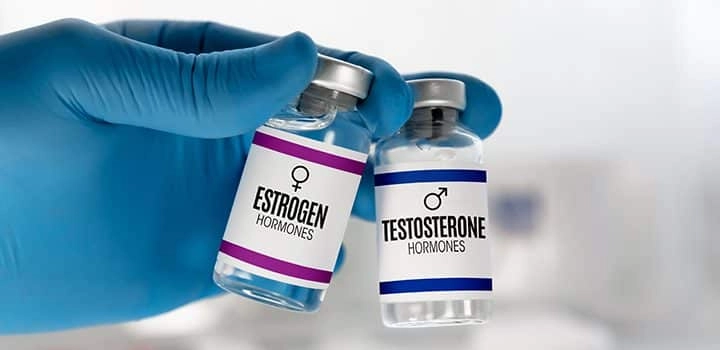
Hormone Harmony: For Men and Women

Talk with our team today!

Final Thoughts

Hormone imbalance can affect daily life in quiet ways. Poor sleep, low energy, brain fog, and mood changes can slowly wear people down over time.

Bioidentical hormone replacement therapy Utah gives patients a treatment option focused on restoring balance and improving quality of life. Questions about safety and bioidentical hormone replacement therapy cost are normal, and the best place to start is with a qualified provider who understands your health needs.

At Summit Medical Spa, patients receive thoughtful care in a calm and professional setting.

FAQs

1. What is bioidentical hormone replacement therapy?

Bioidentical hormone replacement therapy uses hormones made to closely match the hormones your body already produces naturally. Doctors may recommend it for people dealing with symptoms linked to menopause, perimenopause, or low testosterone.

2. Why are people choosing bioidentical hormone replacement therapy Utah?

Many people choose bioidentical hormone replacement therapy Utah because they want answers for symptoms that keep affecting daily life. Low energy, poor sleep, brain fog, and mood changes can slowly wear people down. Patients often like the personal approach and ongoing medical support that comes with treatment.

3. Is bioidentical hormone replacement therapy safe?

One of the first questions patients ask is, is bioidentical hormone replacement therapy safe? Like any medical treatment, safety depends on the patient’s health history, lab work, and proper medical supervision. This is why working with a qualified provider and attending follow-up visits matters.

4. What affects bioidentical hormone replacement therapy cost?

Bioidentical hormone replacement therapy cost can vary from person to person. The total cost often depends on lab testing, follow-up visits, treatment type, and how long care is needed. Some patients use creams, while others choose injections or pellet therapy.

5. How soon do people notice changes after starting hormone therapy?

Most people do not notice major changes overnight. Some patients begin feeling small improvements within a few weeks, while others need more time. Better sleep, steadier energy, and improved focus often happen gradually as hormone levels become more balanced.

Categories
Body Treatments

How Much Does Laser Hair Removal Cost in Utah?

If you are thinking about laser hair removal Utah, cost is often the first question. It’s a fair one. You want clear numbers and honest guidance before you book.

The truth is simple. There is no single price for everyone. Cost depends on the area, your hair type, and how many sessions you need. This guide will walk you through it in plain terms so you can plan with confidence.

What Affects the Cost of Laser Hair Removal?

Laser hair removal is not a one-time service. It works in stages. That is why clinics price it based on a few key factors.

1. Treatment area
Small areas like the upper lip or underarms cost less. Larger areas like the legs or back cost more because they take more time.

2. Hair thickness and density
Thicker or darker hair may need more sessions. That can raise the total cost over time.

3. Number of sessions
Most people need 6 to 8 sessions. Some may need touch-ups later. This is part of the process, not a problem.

4. Type of service
Some clinics offer painless laser hair removal with newer devices. These can cost a bit more, but many people prefer the comfort.

Laser hair removal treatment at Summit Medical Spa clinic

Average Cost in Utah

In Utah, prices are standard across most clinics. Here is a general idea:

  • Small areas: $50 to $150 per session
  • Medium areas: $150 to $300 per session
  • Large areas: $300 to $600 per session

Many providers offer package pricing. This can lower the cost per session if you commit to a full plan.

Keep in mind, you are not just paying for a session. You are paying for long-term hair reduction. Over time, many people find it costs less than waxing or shaving.

Cost for Men’s Laser Hair Removal

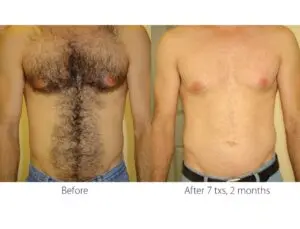
Men’s laser hair removal is common in Utah. Men often treat areas like the back, chest, or beard line.

These areas can cost more because the hair is thicker and the surface area is larger. For example:

  • Back or chest: higher range due to size
  • Neck or beard shaping: mid-range pricing

Even so, many men choose this service to avoid ingrown hairs and daily shaving. It saves time and effort in the long run.

Is Painless Laser Hair Removal Worth It?

Some people worry about discomfort. That’s where painless laser hair removal comes in.

Modern systems use cooling technology to protect the skin. This makes the session more comfortable. You may feel a light snap or warmth, but most people handle it well.

These systems may cost a bit more per session. Still, many clients feel the comfort is worth it, especially for sensitive areas.

What You Get for the Cost

When you pay for laser hair removal services, you are not just paying for the laser. You are also paying for:

  • A trained provider
  • Safe and clean equipment
  • Skin assessment before treatment
  • Guidance on aftercare

This matters. A proper treatment plan helps you get better results with fewer risks.

How to Plan Your Budget

If you want to start laser hair removal Utah, think in terms of a full plan, not a single visit.

Here are a few simple tips:

  • Ask for package deals
  • Start with one area before adding more
  • Follow your treatment schedule
  • Avoid skipping sessions

Staying consistent helps you get results faster. That can save money over time.

Is It Worth the Cost?

For many people, the answer is yes.

Laser hair removal reduces hair growth over time. You spend less on razors, waxing, and creams. You also save time each week.

It also helps with common issues like razor bumps and ingrown hairs. That alone makes a difference for many clients.

Final Thoughts

The cost of laser hair removal Utah depends on your needs. There is no fixed price, but there is a clear path.

Start with a consultation. Ask questions. Understand your treatment plan.

If you are ready to take the next step, you can visit. Summit Medical Spa Their team offers safe, simple, and effective laser hair removal services tailored to your skin and goals.

Smooth, Hair-Free Skin is Within Reach.

Experience the future of hair removal with our painless laser hair removal treatments in Utah Valley. Say goodbye to unwanted hair for good with our advanced laser technology. Perfect for men and women.

Frequently Asked Questions

1. How much will I really spend on laser hair removal in Utah?
It depends on the area and how many sessions you need. Small areas cost less, while larger areas take more time and co st more. Most people plan for a series of sessions, not just one visit.

2. Why do I need more than one session?
Hair grows in cycles. The laser only works on active hair at the time of treatment. That’s why you need multiple sessions to catch all the hair as it grows.

3. Does laser hair removal cost more for men?
In many cases, yes. Men often treat larger areas like the back or chest, and the hair tends to be thicker. This can increase both the time and number of sessions needed.

4. Is painless laser hair removal worth the extra cost?
For many people, it is. The treatment feels more comfortable, especially on sensitive areas. If you are concerned about pain, this option can make the experience easier.

5. Is laser hair removal cheaper than waxing or shaving over time?
In the long run, it can be. You may spend more at the start, but you reduce the need for regular waxing or daily shaving. Many people see it as a long-term investment.

Categories
Massage Therapy

What Really Happens Inside Your Body During a Lymphatic Drainage Massage?

If you work as a therapist or in a medical spa, you see the results of a lymphatic drainage massage all the time. Clients look less puffy. They feel lighter. But many still ask the same question, what is going on inside the body?

Let’s explain it in simple terms.

Your Lymphatic System in Plain Words

The lymphatic system helps your body clear waste. It moves a clear fluid called lymph through a network of vessels and nodes.

This system does not have a pump like the heart. It depends on movement, breathing, and muscle use to keep fluid moving.

When flow slows down, fluid can build up. This leads to:

  • Swelling
  • Puffiness
  • A heavy feeling
  • Slow recovery

This is where lymphatic drainage treatment plays a role.

What is a lymphatic drainage massage

What the Massage Actually Does

A manual lymphatic drainage massage uses light, slow hand movements. The goal is not to press deep. The goal is to guide fluid.

Here is what happens during the session.

It Moves Stuck Fluid

The therapist follows the path of the lymph vessels. Gentle strokes help push fluid toward lymph nodes.

These nodes act like filters. They process and remove waste.

As fluid starts to move, pressure in the tissues goes down.

It Helps the Body Clear Waste

When lymph flow improves, waste moves out faster. This includes:

  • Toxins
  • Dead cells
  • Extra proteins

The body can then process and remove them with ease.

It Reduces Swelling

Fluid that sits in the tissue gets drained. This can reduce visible swelling.

Clients often notice:

  • Less puffiness in the face
  • A flatter stomach
  • Lighter legs

The change can be both seen and felt.

It Calms the Body

The slow rhythm of a lymphatic drainage massage sends a signal to the nervous system.

The body shifts into a relaxed state. Breathing slows. Muscles release tension.

This helps the body focus on repair and recovery.

What Clients Feel After

Most clients say the session feels calm and easy. There is no pain or strong pressure.

After the session, they may notice:

  • More trips to the bathroom
  • Less tightness in swollen areas
  • Smoother skin
  • A relaxed state

Some feel a bit tired for a short time. This is part of the body adjusting.

Start Post Op Lymphatic Drainage Massage

Why Technique Matters

A proper manual lymphatic drainage massage is not random. It follows a clear pattern based on lymph flow.

Therapists need to know:

  • Where lymph nodes sit
  • Which direction fluid should move
  • How much pressure to use

Too much pressure can block flow. The right touch makes all the difference.

Who Can Benefit

This treatment works well for many clients, such as:

Post-surgery clients

  • People with fluid retention
  • Clients with low movement levels
  • Those looking to support detox

In a medical spa, it fits both wellness and beauty goals.

How It Supports Other Treatments

Lymphatic drainage treatment works well with other services. It can help the body recover and improve results.

It may:

  • Reduce swelling after procedures
  • Improve skin look and feel
  • Support healing
  • Help clients feel more comfortable

This makes it a useful part of many treatment plans.

Simple Ways to Support Results

Clients can keep results longer with a few simple steps:

  • Drink enough water
  • Stay active
  • Avoid tight clothes right after the session
  • Follow your care advice

These habits help keep lymph moving.

Final Note

A lymphatic drainage massage is gentle, but it has a clear purpose. It helps move fluid, clear waste, and support balance in the body.

When you explain this in simple terms, clients understand the value. They feel more confident in the treatment and the results.

Support Your Body After Treatment

Help your body stay balanced and reduce swelling with the right care after your lymphatic drainage treatment

Frequently Asked Questions

1. What is a lymphatic drainage massage?
A lymphatic drainage massage is a gentle treatment that helps move lymph fluid through the body. It supports the removal of waste, reduces swelling, and helps the body feel lighter.

2. How is manual lymphatic drainage massage different from regular massage?
A manual lymphatic drainage massage uses light, slow movements. It does not use deep pressure like other massages. The goal is to guide lymph flow, not work on muscles.

3. Who should get a lymphatic drainage treatment?
A lymphatic drainage treatment is helpful for people with swelling, fluid retention, or slow recovery. It is also useful after surgery or for those looking to support overall wellness.

4. What should I expect after a lymphatic drainage massage?
After a lymphatic drainage massage, you may feel relaxed and lighter. You may also need to urinate more as the body clears fluid. Some people feel mild tiredness for a short time.

5. How often should I get a lymphatic drainage massage?
The frequency depends on your needs. Some people benefit from weekly sessions, while others come as needed. A trained therapist can guide you based on your goals.

Categories
Hormone Replacement Therapy

How Much Does Bioidentical Hormone Replacement Therapy Cost Per Month?

Many people today are looking for ways to feel better as they age. Low energy, poor sleep, weight gain, and mood changes are common concerns. This is where they best bioidentical hormone replacement therapy can help. It supports balance in the body and improves daily life.

One of the most common questions is simple: how much does it cost per month? Let’s break it down in a clear way.

What Is Bioidentical Hormone Replacement Therapy?

Bioidentical hormone replacement therapy (BHRT) uses hormones that match what your body naturally makes. These hormones help restore balance when levels drop.

Both men and women can benefit from this therapy. It can help with:

  • Low energy
  • Poor sleep
  • Mood swings
  • Weight gain
  • Low libido
  • Muscle loss

The goal is simple: help your body work the way it should.

What Is Bioidentical Hormone Replacement Therapy.

Why People Choose the Best Bioidentical Hormone Replacement Therapy

People choose the best bioidentical hormone replacement therapy because it focuses on real results. It is not a one-size-fits-all solution.

Each treatment is based on your needs. This includes lab testing and a personalized plan. When done right, it can improve how you feel every day.

Bioidentical Hormone Replacement Therapy Cost Breakdown

The cost of treatment depends on your plan, your needs, and the type of therapy used. When looking at bioidentical hormone replacement therapy cost, it’s important to understand how each part of the treatment is priced. Here is a clear breakdown:

  • Consultation: $125
  • Lab Testing: $250

After your initial visit, treatment options include:

  • Women | Pellet Insertion: $400
  • Men | Pellet Insertion: $700
  • Men | RX Vial of Testosterone: $70

Hormone Replacement Therapy

What Does This Mean Per Month?

The monthly cost can vary depending on the type of treatment.

Pellet therapy is not done every month. It is usually done every few months. This means the cost spreads out over time.

For example:

  • Women may pay around $400 every few months
  • Men may pay around $700 every few months
  • Some men may choose a $70 monthly testosterone option

When you average it out, the monthly cost can feel more manageable.

Your exact cost depends on your treatment plan and how your body responds.

What Affects the Cost?

Several factors can affect the total cost of BHRT:

1. Type of Treatment

Pellets, injections, or other options can change the price.

2. Your Hormone Levels

Each person has different needs. More support may increase the cost.

3. Follow-Up Care

Some people need regular monitoring and adjustments.

4. Treatment Goals

If you want to improve energy, weight loss, or muscle gain, your plan may vary.

Benefits of Bioidentical Hormone Replacement Therapy

The cost is important, but so are the results. Many people choose this therapy because of the benefits.

  • Better Energy: You may feel less tired during the day.
  • Improved Sleep: Many people sleep deeper and wake up refreshed.
  • Stronger Metabolism: Your body may burn energy more efficiently.
  • Better Mood: You may feel more stable and focused.
  • Increased Muscle and Fat Loss: It becomes easier to stay active and maintain your body.
  • Higher Libido: Many people notice an improvement in their personal life.

These benefits of bioidentical hormone replacement therapy make the best bioidentical hormone replacement therapy a strong option for many.

Is It Worth the Cost?

For many people, the answer is yes.

When your hormones are balanced, your daily life improves. You may feel more active, focused, and in control.

Instead of managing symptoms, you address the root cause.

It is not just about cost. It is about value.

Who Should Consider BHRT?

You may benefit from BHRT if you notice:

  • Constant fatigue
  • Weight gain that does not improve
  • Mood changes
  • Low motivation
  • Sleep problems

A simple consultation and lab test can help you understand your needs.

What to Expect from the Process

The process is simple and clear:

  • Start with a consultation
  • Complete lab testing
  • Review your results
  • Get a personalized treatment plan

Your provider will guide you at every step. The goal is to create a plan that fits your body and your lifestyle.

Hormone Harmony: For Men and Women

Talk with our team today!

Final Thoughts

The cost of BHRT can vary, but it is often more affordable than people think. With options like pellets and monthly treatments, you can find a plan that works for you.

The best bioidentical hormone replacement therapy is not just about price. It is about how you feel every day.

Take the First Step Toward Feeling Better

At Summit Medical Spa, we focus on personalized care. Our goal is to help you restore balance and improve your quality of life.

If you are ready to feel better, sleep better, and live with more energy, now is the time to start.

Book your consultation today and take control of your health.

Frequently Asked Questions

1. What should I expect to pay each month?
It really depends on your plan. Some treatments are done every few months, not monthly. When you break the cost down, it often feels more reasonable than it first seems.

2. How do I know if my hormones are out of balance?
You may notice small changes first. Low energy, poor sleep, mood shifts, or weight gain that doesn’t make sense. If something feels off, it’s worth getting checked.

3. Is the treatment hard to go through?
No, the process is simple. It starts with a consultation and lab work. After that, your plan is built around your needs. Most people find it easy to follow.

4. When do people usually start feeling better?
It takes a little time. Some people notice better sleep or more energy within a few weeks. As your body adjusts, the changes become steadier.

5. What makes this different from other treatments?
This approach is personalized. It’s based on your hormone levels, not a general plan. That’s why many people feel more balanced and see better results over time.

Categories
Massage Therapy

What to Avoid After Lymphatic Drainage Massage for Best Results

A lymphatic drainage massage helps the body move lymph fluid. This fluid carries waste, toxins, and immune cells. The lymphatic system clears this waste through lymph nodes.

Unlike the heart, the lymphatic system has no pump. It depends on movement, breathing, and manual therapy to move fluid. A trained therapist uses light strokes to guide lymph toward the nodes.

Many people choose lymphatic drainage massage to reduce swelling, support healing after procedures, and improve circulation. The treatment also helps the body manage fluid balance.

The work does not stop when the session ends. The lymphatic system keeps moving fluid for hours after the massage. What you do next can support the results or slow them down.

Avoid After Lymphatic Drainage Massage for Best Results

Why Lymphatic Drainage Is Important

The lymphatic system protects the body. It removes waste from tissues and supports immune defense.

When lymph flow slows, fluid can collect in the body. This can lead to swelling, pressure, or discomfort.

A lymphatic drainage massage helps guide lymph fluid through its natural pathways. The treatment supports drainage and helps the body clear waste.

Some common lymphatic drainage massage benefits include:

  • Less swelling
  • Support for healing
  • Better circulation
  • Healthier skin tone
  • Support for immune function

To keep these results, proper care after the massage matters.

Why Is Aftercare Important?

Aftercare helps the body continue the work that begins during a lymphatic drainage massage. The lymphatic system keeps moving fluid after the session ends. Simple care steps help support that natural process.

When people ignore aftercare, lymph flow can slow again. Fluid may begin to collect in the tissues. This can reduce the results of the massage.

Good aftercare supports drainage and helps the body move waste through the lymph nodes. It also supports circulation and recovery after treatment.

A few basic habits can make a difference after a lymphatic drainage massage.

These include:

  • Helps maintain healthy lymph flow
  • Supports the body’s waste removal process
  • Reduces the chance of swelling returning
  • Supports recovery after treatment
  • Helps maintain the benefits of lymphatic drainage massage

When you follow simple aftercare steps, the lymphatic system can continue its work. This helps the body stay balanced and supports the results of the massage.

Avoid After Lymphatic Drainage Massage

Avoid Hard Exercise

  • Hard exercise places stress on the body. It increases pressure in muscles and tissues.
  • After a lymphatic drainage massage, the body continues to move lymph fluid. Heavy workouts can interrupt that process.
  • Light movement helps. A short walk can support circulation and lymph flow. Save intense exercise for another day.

Avoid Alcohol

  • Alcohol places stress on the liver and affects fluid balance. It can slow the body’s detox process.
  • After a lymphatic drainage massage, the body works to clear waste through the lymph system. Alcohol can interfere with that process.
  • It is best to skip alcohol for at least a day after treatment.

Avoid Salty Foods

  • Salt causes the body to hold water. Processed foods often contain high levels of sodium.
  • After lymphatic massage, the goal is to reduce fluid buildup. Salty foods may lead to swelling and water retention.
  • Simple meals help the body recover. Fresh vegetables, fruit, and lean protein support the lymphatic drainage massage benefits.

Avoid Tight Clothing

  • Tight clothing can limit lymph flow. Waistbands, tight leggings, and shapewear may place pressure on lymph vessels.
  • After a lymphatic drainage massage, the lymph system needs space to move fluid through the body.
  • Loose clothing allows better circulation and supports drainage.

Avoid Heat

  • Saunas, hot tubs, and steam rooms increase blood flow. Heat can also cause swelling in some people.
  • After treatment, the lymphatic system continues to work. Strong heat may slow the drainage process.
  • A normal shower is fine but avoid high heat for the rest of the day.

Avoid Dehydration

  • Water supports the lymphatic system. Lymph fluid depends on proper hydration to move through vessels.
  • After a lymphatic drainage massage, drinking water helps the body remove waste that moves during treatment.
  • Good hydration supports circulation and helps the body maintain balance.

Avoid Caffeine

  • Caffeine can affect fluid balance in the body. It may lead to mild dehydration and can slow the natural movement of lymph fluid.
  • After a lymphatic drainage massage, the body works to move waste through the lymphatic system. Too much caffeine may interfere with this process.
  • Limiting coffee, energy drinks, or strong tea for several hours after treatment can help support lymph flow.

Habits That Support Results

Simple habits can help extend the effects of your treatment.

Helpful steps include:

  • Drink water during the day
  • Take short walks
  • Eat balanced meals
  • Rest and allow the body to recover
  • Follow the advice of your therapist

These habits support lymph movement and help maintain results.

Ready to Support Your Recovery?

Follow simple aftercare steps to help your body maintain the benefits of lymphatic drainage massage.

Final Thoughts

A lymphatic drainage massage supports the body’s natural drainage system. It helps move fluid, reduce swelling, and support recovery.

Good aftercare helps protect these results. Avoid intense exercise, alcohol, salty foods, tight clothing, and high heat after the session.

These simple choices allow the lymphatic system to keep working.

If you want guidance on lymphatic care or want to learn more about treatment options, the team at Summit Medical Spa can help you understand how lymphatic drainage therapy supports long-term wellness.

Frequently Asked Questions

1. How soon can I return to normal activities after a lymphatic drainage massage?
Most people can return to normal daily tasks the same day. It is best to avoid hard exercise right after the session. The body continues to move lymph fluid after the massage. Light movement, such as walking, can support lymph flow.

2. Why is drinking water important after a lymphatic drainage massage?
Water helps the lymphatic system move fluid through the body. After the massage, lymph fluid carries waste toward the lymph nodes. Drinking water helps the body clear this waste and supports healthy circulation.

3. What foods should I avoid after a lymphatic drainage massage?
Foods high in salt can cause the body to hold water. This may lead to swelling or fluid buildup. After treatment, simple meals such as vegetables, fruit, and lean protein help support the lymphatic drainage massage benefits.

4. Is it normal to feel tired after a lymphatic drainage massage?
Some people feel tired after the session. The body works to move lymph fluid and remove waste. Rest can help the body complete this process and support recovery.

5. How often should someone get a lymphatic drainage massage?
The schedule depends on the person and their goals. Some people book sessions for recovery after procedures. Others choose regular treatments for swelling or wellness support. A trained therapist can help decide what schedule works best.

Categories
Hair restoration

What Is the Best Hair Restoration Method for Men and Women in Utah?

Hair loss is more common than most people think. It can happen slowly over time or show up all at once. You may notice more hair in the shower. You may see thinning near the hairline or a wider part. For many men and women in Utah, it starts small but becomes hard to ignore.

If you are searching for hair restoration Utah, you are likely asking one simple question: What works?

The truth is that the best hair restoration method is not the same for everyone. It depends on what is causing the hair loss and how early it is addressed.

Hair Restoration Method

First, Understand Why Hair Loss Is Happening

Hair loss is not just about age. It can be linked to:

  • Genetics
  • Hormonal changes
  • Stress
  • Illness
  • Poor scalp health

Men often see receding hairlines or thinning at the crown. Women usually notice overall thinning or less volume. Because these patterns are different, treatment must be different too.

This is why trained hair restoration specialists begin with the scalp. Healthy hair grows from a healthy scalp. If the scalp is weak or inflamed, hair struggles to grow.

What Most People in Utah Choose

In Utah, many people prefer non-surgical hair restoration services. These treatments support the body’s natural hair growth process. They do not involve surgery or long recovery time.

Instead, they focus on:

  • Improving blood flow to the scalp
  • Stimulating weak follicles
  • Supporting thicker, healthier strands

These approaches work well for both men and women who are in the early or middle stages of hair thinning.

Why Non-Surgical Options Often Make Sense

Surgical procedures exist, but they are not always necessary. Many clients want something simple and natural. They want to look like themselves again, not different.

Non-surgical hair restoration services can be done in a calm medical spa setting. Appointments are often short. There is little to no downtime. Most people return to normal activity the same day.

Results take time. Hair does not grow overnight. But steady improvement often feels more natural and manageable.

There Is No “One Best” Method

Some people expect one treatment to fix everything. Hair restoration works best when it is personalized.

The best hair restoration Utah providers do not rush the process. They:

  • Examine your scalp closely
  • Ask about health history
  • Set realistic expectations
  • Create a treatment plan based on your needs

This personal approach often leads to better long-term results.

Hair restoration specialists

What Men and Women Should Know

Men usually seek treatment when they see visible thinning. Women often wait longer because hair loss can feel more emotional and private. But early treatment often gives better results for both.

If you notice thinning, it helps to act sooner rather than later. Hair follicles that are still active respond better to treatment than follicles that have stopped working completely.

Choosing the Right Hair Restoration Specialists

The person guiding your care matters. Skilled hair restoration specialists focus on education, safety, and realistic outcomes. They will explain what is possible and what is not.

Look for providers who speak clearly and do not overpromise. Hair restoration is a process. It requires patience and consistency.

Final Thoughts

Hair loss can affect confidence, but it does not have to define you. Many men and women have found practical, natural solutions through professional hair restoration Utah services.

The best method is the one tailored to your scalp, your goals, and your timeline.

If you are ready to explore your options in a supportive setting, consider speaking with Summit Medical Spa. Their team provides personalized hair restoration services designed to support healthy growth and long-term scalp care.

Ready to Regain Your Confidence?

Personalized hair restoration treatments designed to support natural growth and healthier, fuller hair.

Frequently Asked Questions

1. How can I tell if hair restoration will help me?
If you are seeing thinning, extra shedding, or less volume than before, hair restoration may help. The key is whether your hair follicles are still active. A scalp check with experienced hair restoration specialists can give you a clear answer.

2. When should I expect to notice changes?
Hair growth takes patience. Most people do not see instant changes. Small improvements often appear after a few months, with better results over time as the scalp becomes healthier.

3. Is non-surgical hair restoration a good option for both men and women?
Yes. Non-surgical hair restoration services are commonly used by both men and women. These treatments support natural hair growth and do not involve surgery or long recovery time.

4. Will hair restoration stop my hair loss completely?
Hair restoration can slow hair loss and help improve thickness, especially when started early. It does not freeze hair loss forever, but it can make a real difference with consistent care.

5. Is it better to wait or start treatment early?
Starting early usually leads to better results. Hair follicles that are still producing hair respond more easily than follicles that have stopped working completely.

Categories
Cosmetic Injections Services

What Is a Lip Plumping Treatment and How Does It Work?

Full lips can change how the face looks and how a person feels. Many people want lips that look smooth, balanced, and healthy without looking overdone. This is where a lip plump treatment comes in. It is one of the most common services offered at a medical spa today.

This guide explains what a lip plumping treatment is, how it works, what to expect, and how much does lip injections cost. The goal is to help you understand the process in a simple and clear way.

What Is a Lip Plumping Treatment?

A lip plumping treatment is a cosmetic procedure that adds shape, volume, or hydration to the lips. It can improve thin lips, uneven lips, or lips that have lost fullness over time.

The most common medical spa option uses injectable fillers. These fillers are placed carefully into specific areas of the lips. The goal is not just size. A good lip plump focuses on balance, smooth edges, and a natural look.

Some treatments focus on subtle enhancement. Others add more noticeable volume. The plan depends on your face shape, lip structure, and personal goals.

Medical Spa for Lip Plumping

How Does Lip Plumping Work?

Lip plumping treatments work by adding volume under the skin of the lips. The product used in treatment holds moisture and supports the lip tissue. This creates a fuller and softer appearance.

Before treatment, a trained provider looks at your lips while your face is relaxed and while you smile. This helps guide placement. Small amounts of filler are injected into precise areas. This control helps avoid an uneven or stiff look.

The process usually takes less than an hour. Many people return to normal activities the same day.

What Happens During the Appointment?

A typical lip plumping appointment follows a clear process:

Consultation
The provider asks about your goals and explains what results are realistic. Lip shape, facial balance, and skin health are reviewed.

Preparation
The lips are cleaned. A numbing agent may be applied to reduce discomfort.

Treatment
Small injections are placed into the lips. The provider shapes the lips as they work.

Aftercare Guidance
You receive simple instructions to support healing and reduce swelling.

This structured approach helps ensure safe and consistent results.

Does Lip Plumping Hurt?

Most people describe the feeling as pressure or a small pinch. The lips are sensitive, but numbing options help manage discomfort. The treatment is short, which also helps.

Mild swelling or tenderness is common for a few days. This settles on its own.

How Long Do Results Last?

Results from a lip plumping treatment are not permanent. Most people enjoy results for several months. Over time, the body slowly absorbs the product.

Many clients choose touch-up treatments to maintain their look. The timing depends on how the body responds and the desired level of fullness.

How Much Does Lip Injections Cost?

A common question is how much does lip injections cost. The answer depends on several factors:

  • Amount of product used
  • Lip size and shape
  • Experience of the provider
  • Location of the medical spa

Some people need only a small amount for a soft lip plump. Others may need more for balance or symmetry. During your consultation, pricing is explained clearly based on your treatment plan.

Who Is a Good Candidate?

Lip plumping treatments are suitable for many adults who want fuller or more defined lips. You may be a good candidate if you:

  • Have naturally thin lips
  • Notice loss of volume with age
  • Want improved lip shape
  • Prefer a non-surgical option

A consultation helps confirm if treatment is right for you.

What Should You Avoid After Treatment?

After a lip plumping treatment, simple care helps healing:

  • Avoid pressing or massaging the lips
  • Skip intense exercise for a short time
  • Stay hydrated
  • Follow provider instructions

These steps support even results and comfort.

Why Choose a Medical Spa for Lip Plumping?

A medical spa setting offers trained professionals, sterile tools, and medical oversight. This matters for both safety and results. Lip treatments require skill and facial knowledge. Proper placement makes the difference between natural enhancement and an artificial look.

Final Thoughts

A lip plump treatment can enhance the lips in a controlled and natural way. Understanding how lip plumping treatment works helps set clear expectations. Knowing how much does lip injections cost also helps with planning.

When done correctly, lip plumping supports facial balance and confidence without changing who you are.

If you are considering a lip plumping treatment, schedule a consultation with Summit Medical Spa to learn more and discuss your goals in a professional setting.

Book your lip plumping consultation today.

Enhance your natural lip shape with a professionally performed lip plumping treatment. Designed to add soft volume, improve definition, and maintain a balanced, natural appearance with minimal downtime.

FAQs

1. Will my lips feel strange after the treatment?

At first, yes. Your lips may feel a little tight or swollen. That feeling usually fades in a few days. After that, your lips should feel normal again.

2. How long will my lips stay swollen?

Most swelling goes down within two to three days. Some people heal faster. Others take a little longer. After about a week, the lips usually look settled.

3. Can I go back to work the same day?

Most people do. There is no long recovery time. You might have some swelling, but it does not stop daily activities.

4. What if I only want a small change?

That is very common. Many people want their lips to look refreshed, not bigger. Your provider can keep the change subtle and natural.

5. Do lip plumping results look obvious to others?

Not usually. When done well, people notice that you look refreshed. They often cannot tell exactly what changed.

Categories
Massage Therapy

Post-Op Lymphatic Drainage Massage: Why Surgeons Recommend It

Cosmetic surgery can bring exciting changes, but the recovery part takes time. Swelling, tightness, bruising, and fluid buildup are common after many procedures. This is one reason post op lymphatic drainage massage has become a major trend across the USA.

Surgeons often recommend lymphatic drainage massage as part of a safe recovery plan. It supports the body’s natural healing process and helps many patients feel more comfortable during the first few weeks after surgery.

This guide explains what it is, why it helps, and what you should expect.

What Is Post Op Lymphatic Drainage Massage?

Post op lymphatic drainage massage is a gentle technique used after surgery to help move fluid through the lymphatic system. Your lymphatic system works like a drainage network. It helps remove extra fluid and waste from tissues.

After surgery, your body often holds fluid in the treated areas. This can make you feel swollen, stiff, or sore. Manual lymphatic drainage uses light pressure and slow movements to guide that fluid toward lymph nodes, where it can be processed and cleared.

This massage is not deep tissue. It should feel light, controlled, and careful.

Post op lymphatic drainage massage is a gentle technique used after surgery

Why Swelling Happens After Surgery

Swelling is part of healing. Surgery causes small trauma to the tissues. Your body reacts by sending fluid to protect and repair the area.

After some procedures, swelling can last for weeks. You may also notice:

  • Puffiness or “hard” swelling
  • Bruising or color changes
  • Tight skin or pressure
  • Fluid pockets in certain areas
  • Uneven texture during healing

In many cases, this improves with time. Still, the first phase can feel uncomfortable. That is where lymphatic drainage massage can help.

Why Surgeons Recommend Lymphatic Drainage Massage

Many surgeons recommend post op lymphatic drainage massage because it supports smoother recovery. While every body heals differently, this therapy can help in a few key ways.

1) It Helps Reduce Swelling and Fluid Buildup

After surgery, fluid may sit under the skin. Manual lymphatic drainage can help guide that fluid away from the area. This may reduce puffiness and pressure.

2) It Supports Comfort and Mobility

Swelling can limit movement. When swelling reduces, many patients feel less tightness in the treated area. This can make simple tasks easier, like walking, standing, or turning in bed.

3) It Can Help With Bruising

Bruising happens when small blood vessels break during surgery. As the body clears that trapped blood, the skin color shifts over time. Gentle lymphatic work may support this process.

4) It Helps Prevent Fibrosis From Getting Worse

Some patients develop firm, thick areas during healing. People often call this “hard swelling” or “lumps.” In post-op care, this can be linked with fibrosis or tissue changes. Massage does not replace medical care, but it may support softer healing when done at the right time and in the right way.

5) It Encourages Better Healing Habits

Regular post-op visits can help patients stay consistent with recovery instructions. Many therapists also remind clients about hydration, gentle movement, and follow-up care.

When Should You Start Post Op Lymphatic Drainage Massage?

Start Post Op Lymphatic Drainage Massage

The timing depends on your procedure and your surgeon’s instructions. Some patients start within the first week. Others need to wait longer.

A good rule is simple: follow your surgeon’s timeline.

Starting too soon or using too much pressure can cause problems. Post-op care should stay gentle and controlled. If you feel sharp pain, heat in the area, or unusual swelling, pause and contact your medical provider.

How Many Sessions Do You Need?

There is no one number that fits everyone. Some people feel relief after one session. Others need several sessions across a few weeks.

Many recovery plans include:

  • A few sessions during the early swelling stage
  • Ongoing sessions as swelling goes down
  • Support during later healing if firmness remains

Your therapist may adjust the plan based on how your body responds.

What to Expect During a Session

A proper lymphatic drainage massage session should feel calm and gentle.

Most sessions include:

  • Light strokes that follow lymph pathways
  • Slow, steady pressure (not deep pressure)
  • Focus on areas near lymph nodes first
  • Careful work around the surgical area

You may feel relaxed or even sleepy during the session. Some people notice they need to use the restroom more after, which can happen as fluid shifts.

After the massage, you may feel lighter, less tight, or more comfortable. Results vary, but many patients notice gradual changes over time.

Important Safety Notes

Post-op lymphatic drainage massage should always be done by a trained professional and only after your surgeon says it is safe.

Do not book a session if you feel sick or notice anything unusual during recovery. Contact your surgeon first if you have:

  • Fever or signs of infection
  • A history of blood clots or clotting risk
  • Heart conditions that affect fluid levels
  • Kidney problems
  • Sudden swelling, strong pain, or warmth in the area

If you are unsure, it is always best to check with your surgeon before scheduling a massage.

Final Thoughts

Post op lymphatic drainage massage is popular in the USA because it fits what many patients need most after surgery: less swelling, better comfort, and steady support during healing. When done properly, manual lymphatic drainage can be a helpful part of recovery.

If you are planning surgery or already healing, it is worth discussing lymphatic drainage massage with your surgeon and choosing a trained provider.

For professional post-op lymphatic drainage massage sessions, contact Summit Medical Spa and book your appointment.

Vichy Shower Body Renewal

Exfoliate, rinse, and relax with a farm-to-treatment scrub experience starting at $100. Book your Vichy session today.

FAQs

1) When is the best time to start post op lymphatic drainage massage?
Most people start within the first week, but it depends on your procedure and your surgeon’s plan. Some bodies need a little more time before massage is safe. Always follow your surgeon’s exact timeline.

2) Does lymphatic drainage massage hurt after surgery?
It shouldn’t. A proper post-op session uses light pressure, not deep tissue work. You may feel tender in some areas, but sharp pain is a sign the pressure is too much.

3) How many manual lymphatic drainage sessions will I need?
There isn’t one set number. Some people feel better after 1–2 visits, while others need several sessions over a few weeks to help swelling settle down.

4) What should I do after a post op lymphatic drainage massage?
Drink water, take it easy, and follow your recovery instructions. Many people also notice they need to use the restroom more often after a session, which can be normal.

5) Is post op lymphatic drainage massage safe for everyone?
Not always. If you have a fever, infection, blood clot risk, or sudden swelling that feels unusual, don’t book a session until you talk with your surgeon. Safety comes first during recovery.