
 Signature Massage
 Hormone Replacement Therapy
 Laser Hair Removal
 Weight Loss
 Lymphatic Drainage
 Botox

 VAGINAL REJUVENATION
 MORPHEUS8 FACE
 MORPHEUS8 BODY
 TONE
 URINARY INCONTINENCE
 HORMONE THERAPY

 TED Hair Restoration
 P-Shot
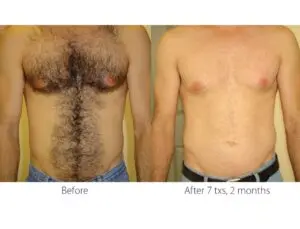 Laser Hair Removal
 Morpheous Face
 Men’s Weight Loss

Sustainable weight loss comes from small, repeatable habits, a realistic plan built around your life, and steady support, not from crash diets or short bursts of motivation. The people who keep their progress are rarely the ones who tried hardest for a month. They are the ones who built routines they could still follow six months later.
If you have started over more than once, you are far from alone. This guide looks at why losing weight feels so difficult, which everyday habits make the biggest difference, how to build a plan you can stick with, and how to choose the kind of support that fits you. If you are in Utah and want guided help, you can see how the weight loss program at Summit Medical Spa approaches it.
Why does weight loss feel so hard?
Weight loss feels hard because it is shaped by far more than willpower. Stress, sleep, schedules, food environment, emotions, and habits built over years all influence what and how much we eat. When life gets busy, the plan that looked perfect on Sunday is usually the first thing to slip by Wednesday.
It also helps to know how common this struggle is. The figures below come from the World Health Organization and the Centers for Disease Control and Prevention.
| Measure | Figure | Source |
|---|---|---|
| People worldwide living with obesity (2022) | 1 in 8 | WHO |
| Adults worldwide who were overweight (2022) | 2.5 billion, about 43% of adults | WHO |
| Adults worldwide living with obesity (2022) | 890 million, about 16% of adults | WHO |
| Change in adult obesity worldwide since 1990 | More than doubled | WHO |
| US adults with obesity (August 2021 to August 2023) | 0.3% | CDC |
These numbers are not meant to alarm you. They are a reminder that this is a widespread challenge, and that struggling with it says nothing about your discipline or character.

What habits make the biggest difference?
The habits that matter most are the simple ones you can repeat daily: eating mostly whole foods, moving regularly, sleeping enough, and managing stress. None of these are glamorous, but together they do more than any single trick or short term plan.
- Eat in a way you can repeat
Build meals around protein, vegetables, and fiber rich foods, which tend to keep you fuller. Rather than banning foods, aim for a pattern where most of your plate is whole, minimally processed food. Rigid rules often backfire because they leave no room for real life. - Move in a way you actually enjoy
The World Health Organization recommends that adults get at least 150 minutes of moderate intensity activity each week. That is about 30 minutes, five days a week, and it can be walking, cycling, swimming, or a class you look forward to. The best exercise is the one you will do consistently.
Did you know? The WHO recommendation of 150 minutes of weekly activity works out to roughly 21 minutes a day. Short walks after meals and brief movement breaks count toward that total, so you do not need a long gym session to get started.
- Protect your sleep
Short or broken sleep tends to make cravings louder and decision making harder. A steady bedtime and a calm wind down routine support nearly every other habit on this list. - Give stress somewhere to go
Many people reach for food when they are tired, anxious, or overwhelmed. Finding other outlets, such as a walk, a hobby, or time to genuinely rest, makes it easier to eat in response to hunger instead of emotion.
How do you build a weight loss plan you can stick with?
You build a plan you can stick with by starting small, tracking what matters, and adjusting as you learn what works for you. Here is a simple five step approach.
- Step 1: Get specific about your goal
“Lose weight” is too vague to act on. Decide what you want and why, such as having more energy, feeling comfortable in your clothes, or keeping up with your kids. A clear reason gives you something to return to when motivation dips. - Step 2: Choose two or three habits, not ten
Trying to change everything at once is the fastest route to burnout. Pick a few habits, such as a daily walk, a protein rich breakfast, and a consistent bedtime. Once these feel automatic, add the next one. - Step 3: Plan for your real week
Look at your actual schedule and find where healthy choices are hardest. Maybe it is a rushed morning or a late night snack. Plan ahead for those moments with prepped meals, packed snacks, or a backup option for busy days. - Step 4: Track progress in more than one way
The scale is only one data point, and it moves for many reasons. Pair it with other signs of progress, such as energy levels, how your clothes fit, sleep quality, and how consistent you have been. These often show improvement before the number changes. - Step 5: Review and adjust every few weeks
Set a regular check in with yourself. Ask what worked, what felt hard, and what to change. Treat the plan as something you refine, not a test you pass or fail.

What does a weight loss program with support look like?
A supported weight loss program usually combines a personalized plan, regular check ins, and guidance that keeps you accountable. Many people find that having someone in their corner makes the difference between quitting in week three and still going in month three.
Look for a program that starts by listening to you. At Summit Medical Spa, for example, the process begins with a 30 minute weight loss consultation focused on your goals, lifestyle, and past experiences, followed by a customized plan and weekly sessions for weigh ins. You can get in touch through the contact page to ask what a first visit involves.
Whatever you choose, a good program should feel personal, not generic. It should leave you feeling informed and supported, and it should be honest about what fits your situation.
Why choose a med spa for your weight loss journey?
A med spa weight loss can be a comfortable choice because it blends a professional, personalized setting with a relaxed and welcoming atmosphere. Appointments tend to be easy to fit into a busy week, and the one on one attention can feel very different from a crowded gym or a generic app. If you want to weigh the pros and cons, this article on reasons to consider a med spa for your weight loss journey in Utah is a helpful read.
How can you support your body and recovery along the way?
You can support your body by building rest and recovery into the routine, not treating them as rewards you earn later. Weight loss is easier when you are not constantly depleted.
- Schedule real downtime: rest days and quiet evenings are part of the plan, not a break from it
- Try restorative treatments: a relaxing massage or float session can be a calming way to reset after a demanding week
- Stay hydrated: thirst is easy to mistake for hunger
- Move gently on low energy days: a short walk or stretching keeps the habit alive without overdoing it
Small acts of recovery make the bigger habits easier to keep, which is exactly what sustainable progress depends on.
What mistakes make weight loss harder?
A few patterns come up again and again, and most are easy to avoid once you spot them.
- Starting with extreme rules that are impossible to follow for more than a few weeks
- Treating one off day as a failure and abandoning the whole plan
- Relying only on the scale and ignoring other signs of progress
- Skipping meals, then overeating later when hunger catches up
- Going it alone with no support or accountability
- Comparing your pace to someone else’s
The fix is usually the same in every case: aim for consistency over perfection, and give yourself room to adjust.
Ready for Lasting Weight Loss?
Frequently asked questions
How long does it take to see results from a weight loss plan?
That varies from person to person, depending on your starting point, habits, sleep, stress, and health history. Track more than the scale, including energy, sleep, and how your clothes fit, because these often improve first. A provider can help you set realistic expectations during a weight loss consultation.
What happens at a first weight loss consultation?
At Summit Medical Spa, the first step is a 30 minute consultation where your provider reviews your health history and past weight loss experiences, discusses your goals and daily habits, and creates a customized plan. If you choose to move forward with the program, the cost of your first injection is included. You can contact the team to ask what to expect before you book.
Do I still need to change my eating and exercise habits if I have medical support?
Yes. Medical support works best as part of a comprehensive plan, not a replacement for one. Whole-food eating, regular movement, good sleep, and stress management are what help results last, and a supported program is there to help you build them.
What are GLP-1 medications, and could they be right for me?
GLP-1 medications mimic a naturally occurring hormone that helps regulate blood sugar and appetite, and they are not stimulants. Whether they are appropriate depends on your health history, and certain restrictions may apply, so that decision is made with a provider. You can read more about GLP-1 peptides and weight loss and what semaglutide is and how dosing is determined.
Where can I get guided weight loss help in Utah?
Summit Medical Spa has locations in Spanish Fork and Eagle Mountain, Utah. Visit the weight loss page to learn about the program, or reach out through the contact page to get started.

Tayla
Tayla is a registered nurse with 8+ years of healthcare experience. After losing over 100 pounds and becoming a certified personal trainer, she found her passion in aesthetic medicine.With advanced facial anatomy training, Tayla combines clinical expertise with a personal commitment to helping clients feel confident.