
 Signature Massage
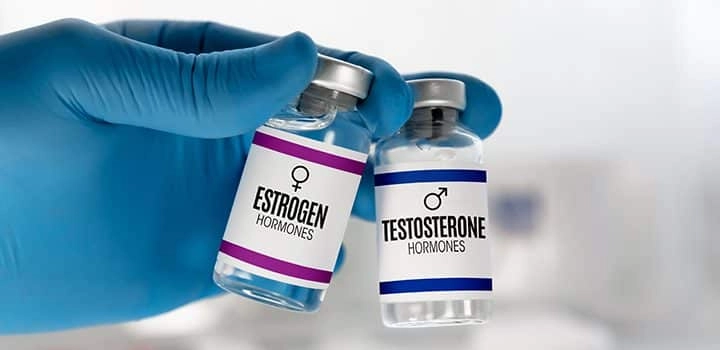 Hormone Replacement Therapy
 Laser Hair Removal
 Weight Loss
 Lymphatic Drainage
 Botox
Botox
 VAGINAL REJUVENATION
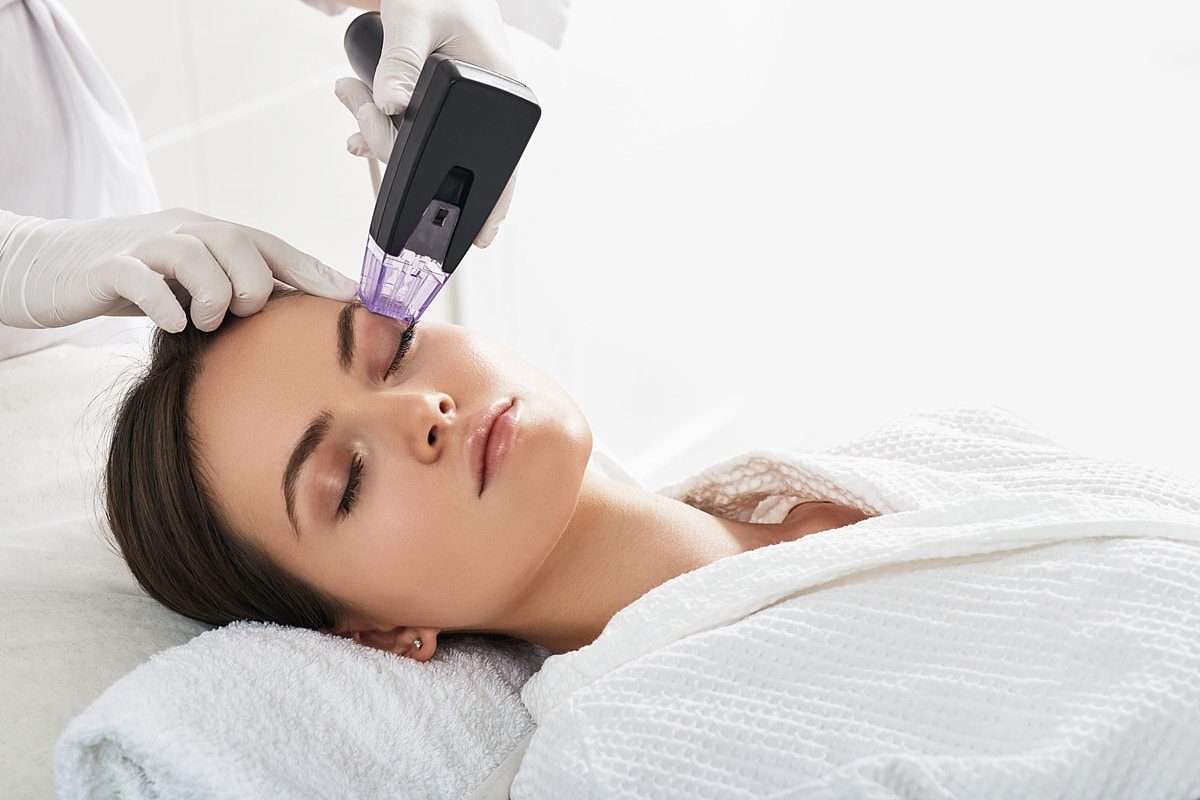 MORPHEUS8 FACE
 MORPHEUS8 BODY
 TONE
TONE URINARY INCONTINENCE
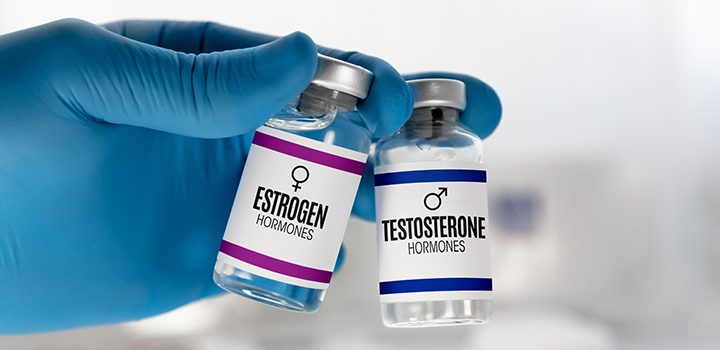 HORMONE THERAPY
 TED Hair Restoration
 P-Shot
 Laser Hair Removal
 Morpheous Face
 Men’s Weight Loss
Cosmetic surgery can bring exciting changes, but the recovery part takes time. Swelling, tightness, bruising, and fluid buildup are common after many procedures. This is one reason post op lymphatic drainage massage has become a major trend across the USA.
Surgeons often recommend lymphatic drainage massage as part of a safe recovery plan. It supports the body’s natural healing process and helps many patients feel more comfortable during the first few weeks after surgery.
This guide explains what it is, why it helps, and what you should expect.
What Is Post Op Lymphatic Drainage Massage?
Post op lymphatic drainage massage is a gentle technique used after surgery to help move fluid through the lymphatic system. Your lymphatic system works like a drainage network. It helps remove extra fluid and waste from tissues.
After surgery, your body often holds fluid in the treated areas. This can make you feel swollen, stiff, or sore. Manual lymphatic drainage uses light pressure and slow movements to guide that fluid toward lymph nodes, where it can be processed and cleared.
This massage is not deep tissue. It should feel light, controlled, and careful.

Why Swelling Happens After Surgery
Swelling is part of healing. Surgery causes small trauma to the tissues. Your body reacts by sending fluid to protect and repair the area.
After some procedures, swelling can last for weeks. You may also notice:
- Puffiness or “hard” swelling
- Bruising or color changes
- Tight skin or pressure
- Fluid pockets in certain areas
- Uneven texture during healing
In many cases, this improves with time. Still, the first phase can feel uncomfortable. That is where lymphatic drainage massage can help.
Why Surgeons Recommend Lymphatic Drainage Massage
Many surgeons recommend post op lymphatic drainage massage because it supports smoother recovery. While every body heals differently, this therapy can help in a few key ways.
1) It Helps Reduce Swelling and Fluid Buildup
After surgery, fluid may sit under the skin. Manual lymphatic drainage can help guide that fluid away from the area. This may reduce puffiness and pressure.
2) It Supports Comfort and Mobility
Swelling can limit movement. When swelling reduces, many patients feel less tightness in the treated area. This can make simple tasks easier, like walking, standing, or turning in bed.
3) It Can Help With Bruising
Bruising happens when small blood vessels break during surgery. As the body clears that trapped blood, the skin color shifts over time. Gentle lymphatic work may support this process.
4) It Helps Prevent Fibrosis From Getting Worse
Some patients develop firm, thick areas during healing. People often call this “hard swelling” or “lumps.” In post-op care, this can be linked with fibrosis or tissue changes. Massage does not replace medical care, but it may support softer healing when done at the right time and in the right way.
5) It Encourages Better Healing Habits
Regular post-op visits can help patients stay consistent with recovery instructions. Many therapists also remind clients about hydration, gentle movement, and follow-up care.
When Should You Start Post Op Lymphatic Drainage Massage?
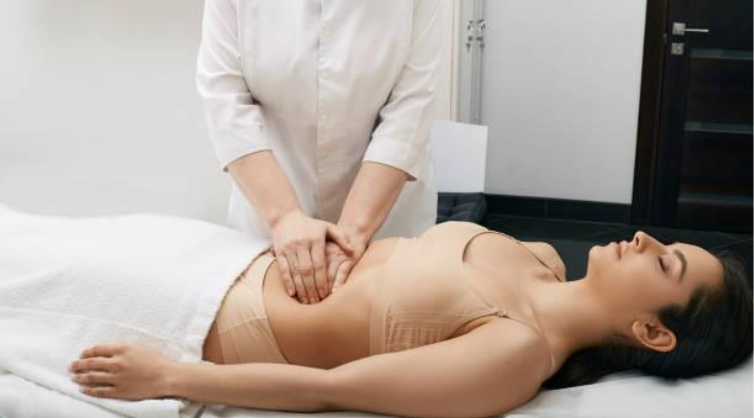
The timing depends on your procedure and your surgeon’s instructions. Some patients start within the first week. Others need to wait longer.
A good rule is simple: follow your surgeon’s timeline.
Starting too soon or using too much pressure can cause problems. Post-op care should stay gentle and controlled. If you feel sharp pain, heat in the area, or unusual swelling, pause and contact your medical provider.
How Many Sessions Do You Need?
There is no one number that fits everyone. Some people feel relief after one session. Others need several sessions across a few weeks.
Many recovery plans include:
- A few sessions during the early swelling stage
- Ongoing sessions as swelling goes down
- Support during later healing if firmness remains
Your therapist may adjust the plan based on how your body responds.
What to Expect During a Session
A proper lymphatic drainage massage session should feel calm and gentle.
Most sessions include:
- Light strokes that follow lymph pathways
- Slow, steady pressure (not deep pressure)
- Focus on areas near lymph nodes first
- Careful work around the surgical area
You may feel relaxed or even sleepy during the session. Some people notice they need to use the restroom more after, which can happen as fluid shifts.
After the massage, you may feel lighter, less tight, or more comfortable. Results vary, but many patients notice gradual changes over time.
Important Safety Notes
Post-op lymphatic drainage massage should always be done by a trained professional and only after your surgeon says it is safe.
Do not book a session if you feel sick or notice anything unusual during recovery. Contact your surgeon first if you have:
- Fever or signs of infection
- A history of blood clots or clotting risk
- Heart conditions that affect fluid levels
- Kidney problems
- Sudden swelling, strong pain, or warmth in the area
If you are unsure, it is always best to check with your surgeon before scheduling a massage.
Final Thoughts
Post op lymphatic drainage massage is popular in the USA because it fits what many patients need most after surgery: less swelling, better comfort, and steady support during healing. When done properly, manual lymphatic drainage can be a helpful part of recovery.
If you are planning surgery or already healing, it is worth discussing lymphatic drainage massage with your surgeon and choosing a trained provider.
For professional post-op lymphatic drainage massage sessions, contact Summit Medical Spa and book your appointment.
Vichy Shower Body Renewal
FAQs
1) When is the best time to start post op lymphatic drainage massage?
Most people start within the first week, but it depends on your procedure and your surgeon’s plan. Some bodies need a little more time before massage is safe. Always follow your surgeon’s exact timeline.
2) Does lymphatic drainage massage hurt after surgery?
It shouldn’t. A proper post-op session uses light pressure, not deep tissue work. You may feel tender in some areas, but sharp pain is a sign the pressure is too much.
3) How many manual lymphatic drainage sessions will I need?
There isn’t one set number. Some people feel better after 1–2 visits, while others need several sessions over a few weeks to help swelling settle down.
4) What should I do after a post op lymphatic drainage massage?
Drink water, take it easy, and follow your recovery instructions. Many people also notice they need to use the restroom more often after a session, which can be normal.
5) Is post op lymphatic drainage massage safe for everyone?
Not always. If you have a fever, infection, blood clot risk, or sudden swelling that feels unusual, don’t book a session until you talk with your surgeon. Safety comes first during recovery.