
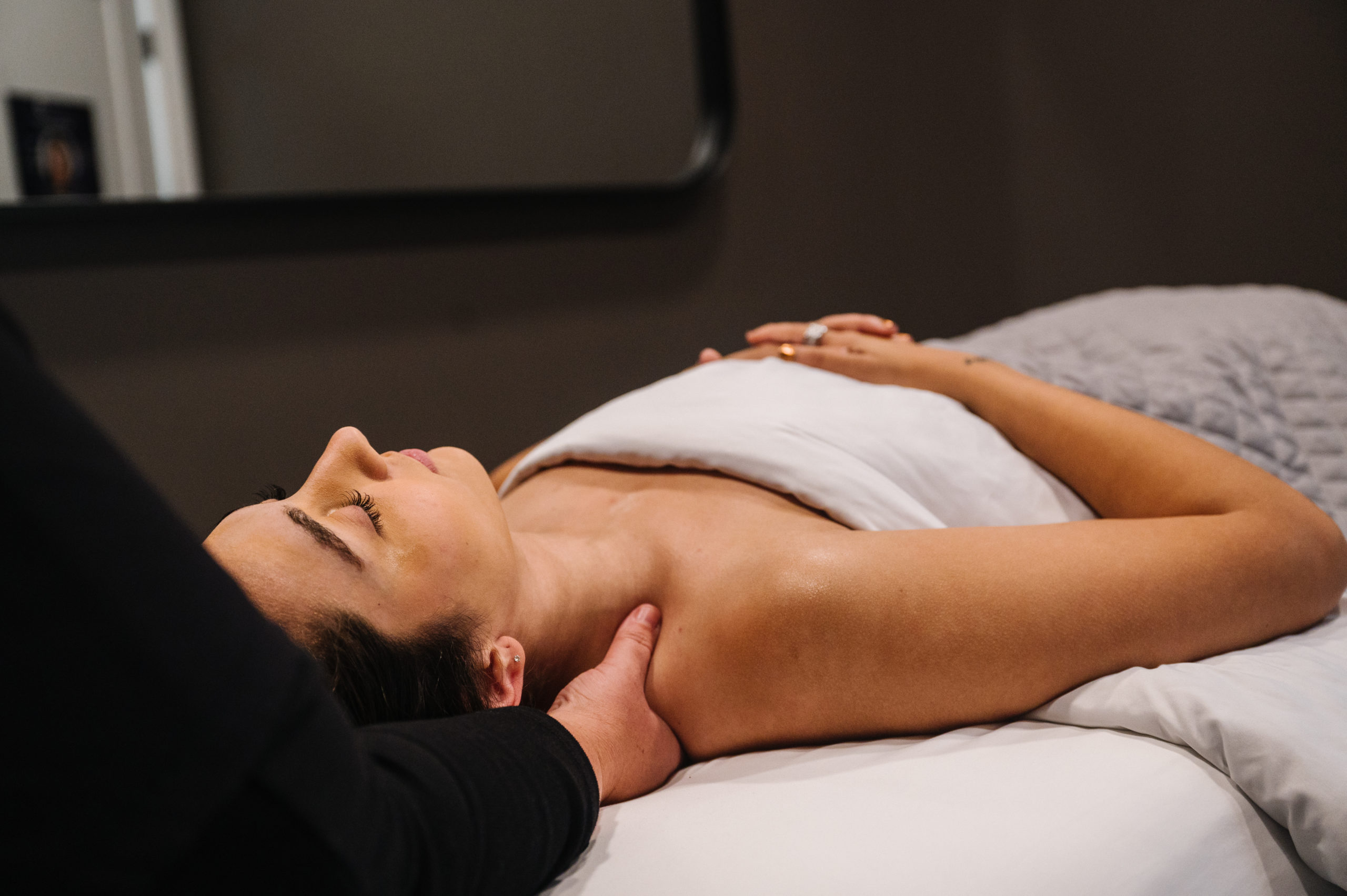
 Signature Massage
 Couples Massage
 Float
Float Aesthetics
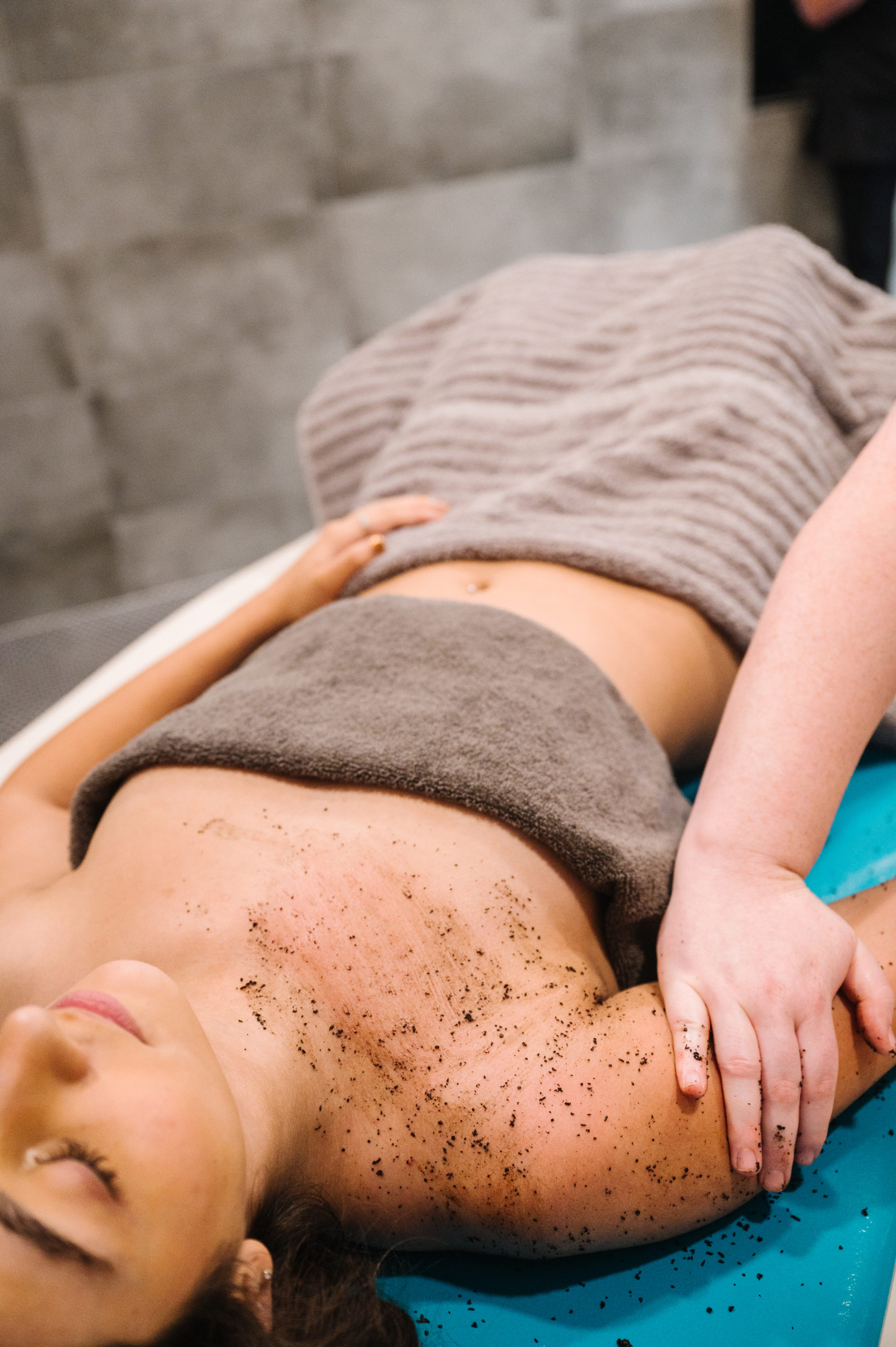 Vichy Body Treatments
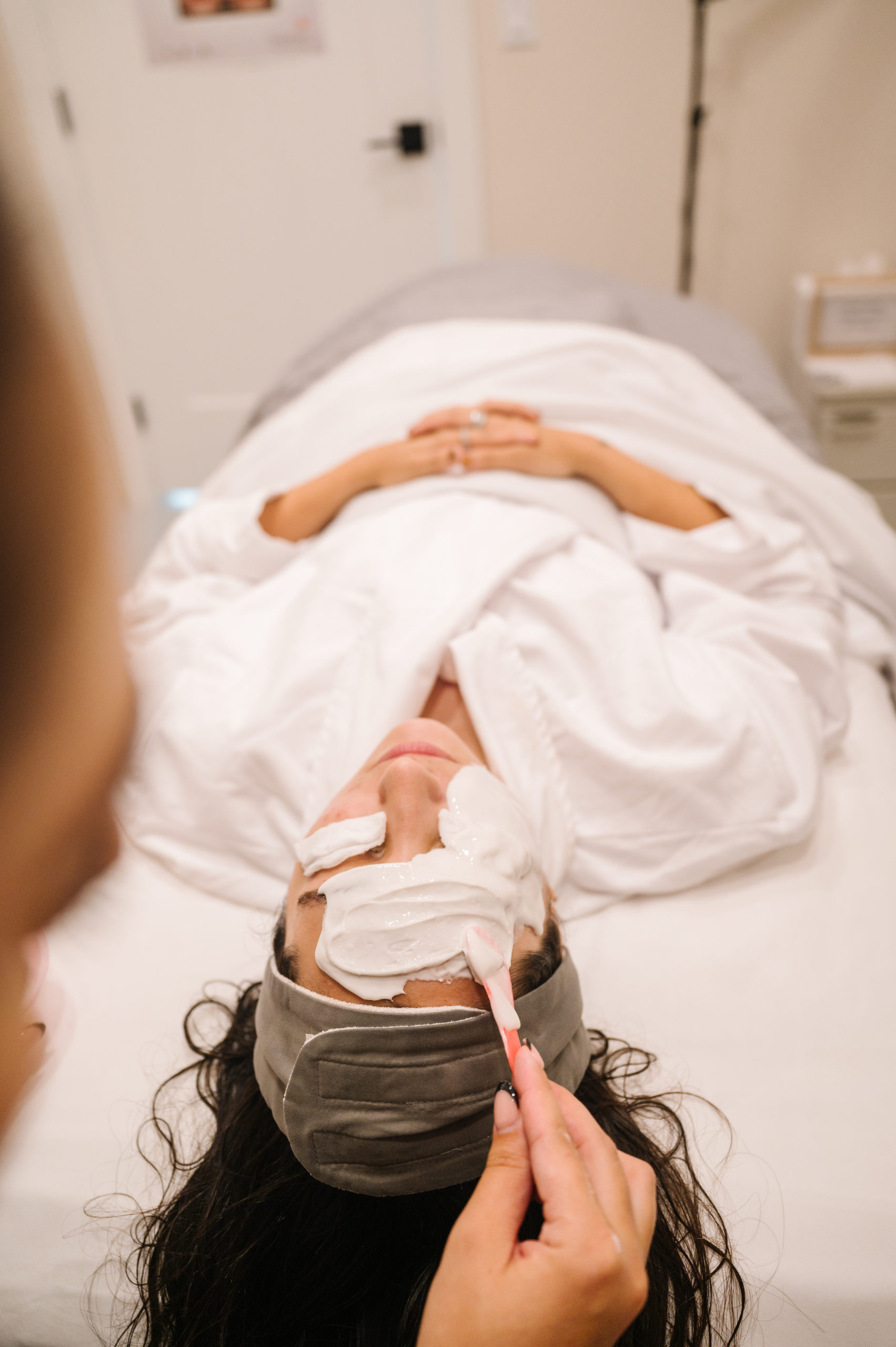 Facials
 VAGINAL REJUVENATION
 MORPHEUS8 FACE
 MORPHEUS8 BODY
 TONE
TONE URINARY INCONTINENCE
 HORMONE THERAPY
A mommy makeover can help you feel more like yourself again. But the recovery stage can feel slow at times. Swelling, tightness, and fluid buildup are common after surgery. This is where lymphatic drainage massage can help.
This blog explains how it works, why your body needs it after a mommy makeover, and what to expect from treatment. It is written for post-op patients, people healing from other surgeries, and anyone dealing with long-term swelling such as lymphedema.

What Is the Lymphatic System?
Your lymphatic system is part of your immune system. It also helps control swelling.
It moves a clear fluid called lymph through your body. This fluid carries waste, extra water, and proteins away from tissues. It travels through lymph vessels and lymph nodes, then drains back into your bloodstream.
After surgery, your body holds more fluid in the healing area. This can happen because:
- Tissue is inflamed
- Small lymph vessels are disrupted
- Your body is protecting the area
- Movement is limited during recovery
That is why swelling can last longer than you expect.
What Is Lymphatic Drainage Massage?
Lymphatic drainage massage is a gentle hands-on technique that helps move trapped fluid out of swollen areas.
Many people also call it manual lymphatic drainage massage, because a trained provider uses light pressure and specific movements to guide fluid toward lymph nodes.
This is not deep tissue massage. It should not feel painful. The goal is to support drainage, not press hard on healing tissue.
How Lymphatic Drainage Massage Works After a Mommy Makeover
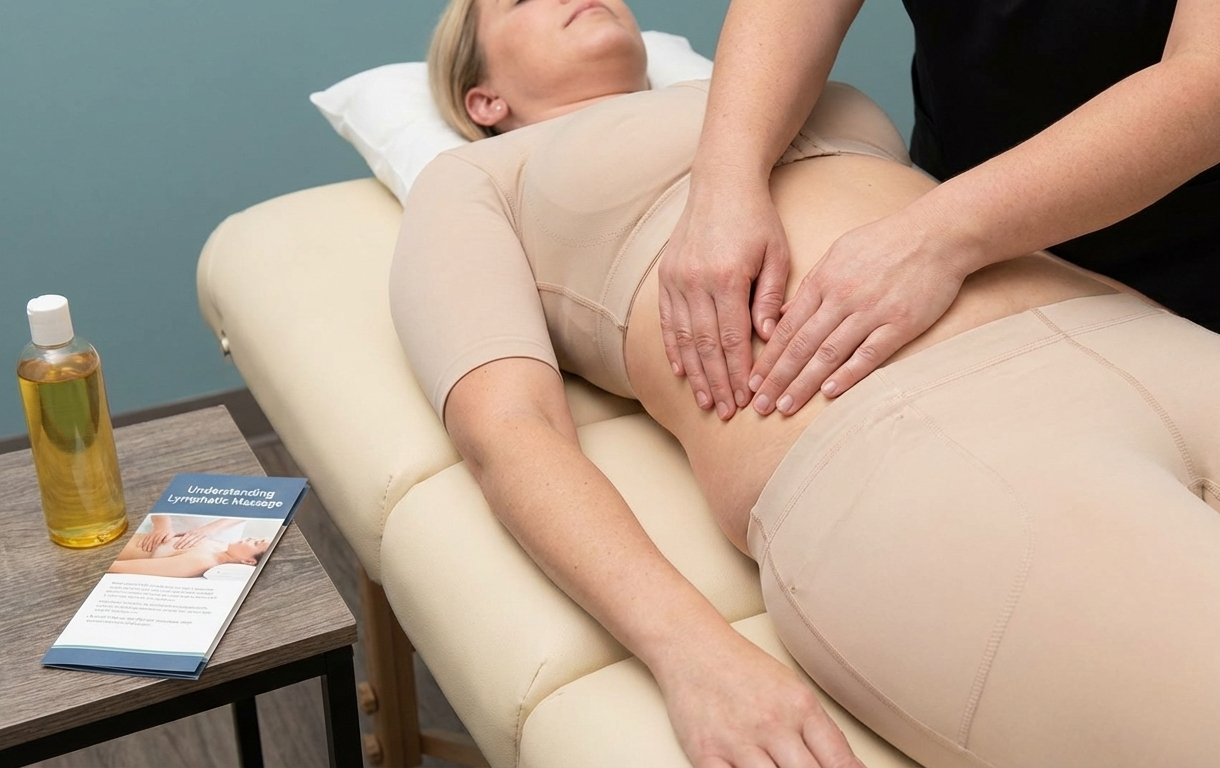
A mommy makeover often includes procedures like tummy tuck, breast surgery, and liposuction. These can trigger swelling across the abdomen, hips, and back.
Here’s what lymphatic drainage massage can do during recovery:
1) Helps reduce swelling and fluid buildup
Swelling is normal after surgery, but too much swelling can feel heavy and uncomfortable. When fluid gets stuck, it may slow healing.
Lymphatic massage encourages the fluid to move through the correct pathways.
2) Supports comfort and mobility
Swelling can make it hard to stand straight, take full breaths, or move easily. When swelling decreases, movement usually becomes easier.
Many patients feel less tightness and pressure after treatment.
3) May lower the risk of fluid pockets
Some patients develop fluid buildup under the skin. This can feel like a soft pocket or shifting area.
A well-timed lymphatic drainage treatment may help your body clear fluid more efficiently. Always follow your surgeon’s guidance first.
4) Helps the body clear waste from healing tissues
After surgery, your body breaks down damaged cells and repairs tissue. This process creates waste. The lymphatic system helps carry that waste away.
When lymph flow improves, your body may feel less “stuck” in the healing stage.
What Does a Lymphatic Drainage Treatment Feel Like?
A session is calm and gentle. Your provider uses soft strokes in a pattern that supports lymph flow.
During lymphatic drainage massage, you may notice:
- A light pulling or stretching sensation
- Warmth in the area
- A relaxed feeling
- The need to urinate more later in the day
These responses can be normal because the body is shifting fluid.
When Should You Start After Surgery?
Timing matters. Starting too early can irritate healing tissue.
Most people begin lymphatic drainage massage only after their surgeon approves it. Your provider should also know you are post-op and adjust the technique for safety.
Common guidelines include:
- Wait until incisions are protected and cleared by your surgeon
- Avoid heavy pressure or painful techniques
- Stop if you feel sharp pain, heat, or new swelling
If you have fever, spreading redness, drainage, or sudden swelling, contact your surgeon right away.
Lymphatic Drainage Legs Before and After: Why It Matters
Even when surgery is on the torso, swelling can travel. Gravity pulls fluid down. This is why some people notice leg swelling after surgery, especially if they sit or lie down often.
Many patients search for lymphatic drainage legs before and after because the difference can be easy to feel. Before treatment, legs may feel:
- Heavy
- Puffy
- Tight in shoes or socks
After a few sessions, some people notice:
- Less pressure
- Better range of motion
- Improved comfort while walking
If you already manage chronic lymphedema, lymphatic care is even more important. Your provider may also recommend compression and daily movement based on your needs.
Who Can Benefit From Lymphatic Massage?
This type of care can support many people, including:
- Mommy makeover recovery patients
- Liposuction recovery patients
- Orthopedic surgery patients with swelling
- General surgery patients with fluid buildup
- Survivors managing chronic lymphedema swelling
In all cases, the most important step is medical clearance when needed.
Tips to Support Lymph Flow at Home
Along with lymphatic drainage massage, small daily habits can help.
Try these gentle recovery supports:
- Take short walks as allowed
- Drink water throughout the day
- Wear compression if approved
- Avoid long periods of sitting
- Sleep with proper elevation if recommended
These steps support circulation and fluid movement without stressing healing tissues.
Final Thoughts
Recovery after a mommy makeover takes time. Swelling is part of the process, but it does not have to control your comfort.
Lymphatic drainage massage works by guiding trapped fluid through your lymph system, which may help reduce swelling and improve how your body feels during healing. With the right timing and proper technique, it can be a helpful part of your post-op plan.
If you’re looking for safe, professional post-surgery care, you can contact Summit Medical Spa to learn more about post-op support and lymphatic services.
Upgrade Your Massage With Luxurious CBD Relief
FAQs
1. When should I start lymphatic drainage massage after my mommy makeover?
Only after your surgeon says it’s okay. Starting too early can irritate the healing area, so it’s always best to wait for clearance first.
2. Will it hurt?
It shouldn’t. lymphatic drainage treatment is very gentle. If it feels painful or too intense, that’s a sign something is off and you should tell your provider right away.
3. How many sessions will I need?
It depends on your swelling and your recovery. Some people feel a difference after a couple of sessions, while others need more support for a few weeks. There’s no one set number for everyone.
4. Why do my legs feel swollen if I had surgery on my stomach?
That happens a lot. Swelling can move downward because of gravity, especially when you’re resting more than usual. This is why people often look up “lymphatic drainage legs before and after.”
5. What should I do at home to help the swelling go down?
Keep it simple: walk a little when you’re allowed, drink enough water, and wear compression if your surgeon recommends it. Small daily steps help your body move fluid better.