
 Signature Massage
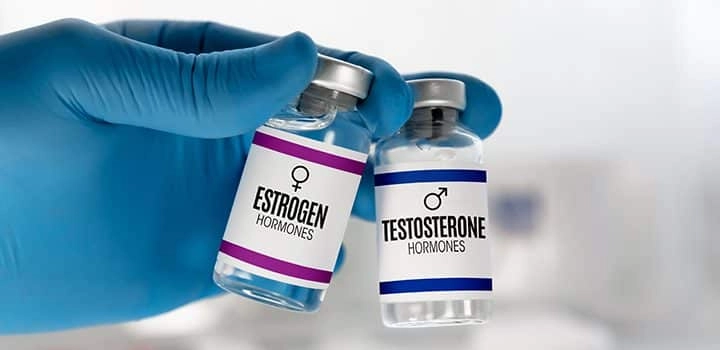 Hormone Replacement Therapy
 Laser Hair Removal
 Weight Loss
 Lymphatic Drainage
 Botox
Botox
 VAGINAL REJUVENATION
 MORPHEUS8 FACE
 MORPHEUS8 BODY
 TONE
TONE URINARY INCONTINENCE
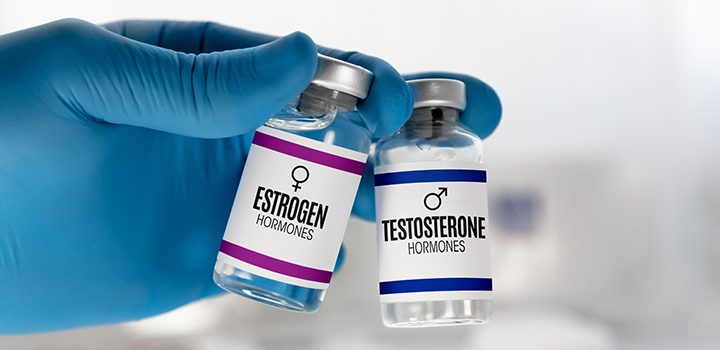 HORMONE THERAPY
 TED Hair Restoration
 P-Shot
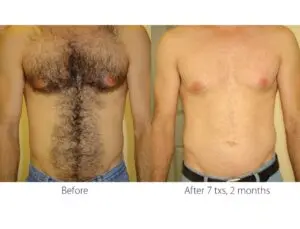 Laser Hair Removal
 Morpheous Face
 Men’s Weight Loss
For years, weight loss advice pretty much boiled down to “eat less, move more.” And look, that advice isn’t wrong, but it also ignores something huge: your body’s hormones and metabolism have a massive say in whether that advice actually works for you. That’s exactly why the conversation around weight loss solutions has shifted so much lately. Instead of just white-knuckling through diet and exercise, more people are turning to science that works with their biology instead of against it.
That’s where peptides come in. These are small chains of amino acids that act like your body’s internal messaging system, sending signals that control everything from tissue repair to, most relevant here, hunger and metabolism. In this article, we’ll break down how peptides for weight loss actually work, why GLP-1 medications have become such a big deal, what a proper semaglutide dose for weight loss looks like within a supervised program, and why getting this kind of care through a med spa weight loss program tends to produce better, safer results than going it alone.
What Peptides Actually Do in Your Body
Here’s the thing about peptides: they’re not some exotic, lab-only concept. Your body makes them naturally, all day, every day. Peptides are just short chains of amino acids, usually somewhere between 2 and 50 of them linked together. That’s shorter than a full protein, but long enough to carry a very specific instruction to your cells.
And your body relies on them constantly:
- Hormonal regulation– insulin and ghrelin are both peptides
- Immune support– peptides help your immune system know what to respond to
- Tissue repair and growth– peptides trigger the release of Human Growth Hormone
- Metabolism and appetite– certain peptides directly control hunger, satiety, and how your body burns energy
The breakthrough in medical weight loss isn’t that scientists invented something totally foreign. It’s that they figured out how to recreate and fine-tune the peptides your body already uses, correcting the metabolic hiccups that make losing weight feel like an uphill battle.
GLP-1 Peptides: Why Everyone’s Talking About Them
If you’ve paid any attention to weight loss solutions over the past couple of years, you’ve heard of GLP-1. This class of peptides is genuinely the biggest shift in obesity treatment in decades, and honestly, the results back up the hype.
So What Is GLP-1, Exactly?
GLP-1, or Glucagon-like Peptide-1, is a hormone your gut releases naturally after you eat. It does three important jobs:
- Triggers insulin release, helping your pancreas manage blood sugar
- Slows down digestion, so you stay full longer after a meal
- Talks directly to your brain’s appetite center, quieting down hunger and cravings
How a Semaglutide Dose for Weight Loss Actually Works
Medications like semaglutide and tirzepatide are synthetic versions of GLP-1, engineered to stick around in your system far longer than the natural hormone does, often for a full week per injection. That’s what makes weekly weight loss injections possible instead of needing to dose multiple times a day.
When a semaglutide dose for weight loss is set correctly and adjusted over time by a provider, it tends to work through three main channels:
- Fewer calories in, naturally– appetite suppression means patients aren’t fighting willpower all day just to eat less
- Better metabolic function– improved insulin sensitivity helps address the root causes of weight gain, not just the symptoms
- Quieter food noise– with cravings dialed down, patients finally have the mental bandwidth to build better long-term habits instead of just surviving each day
Clinical data on GLP-1 medications is honestly hard to ignore. Average weight loss in trials has ranged from 15% to over 20% of total body weight, numbers that used to be reserved for bariatric surgery patients. That’s a big part of why these peptides for weight loss are now considered the gold standard in non-surgical obesity treatment.
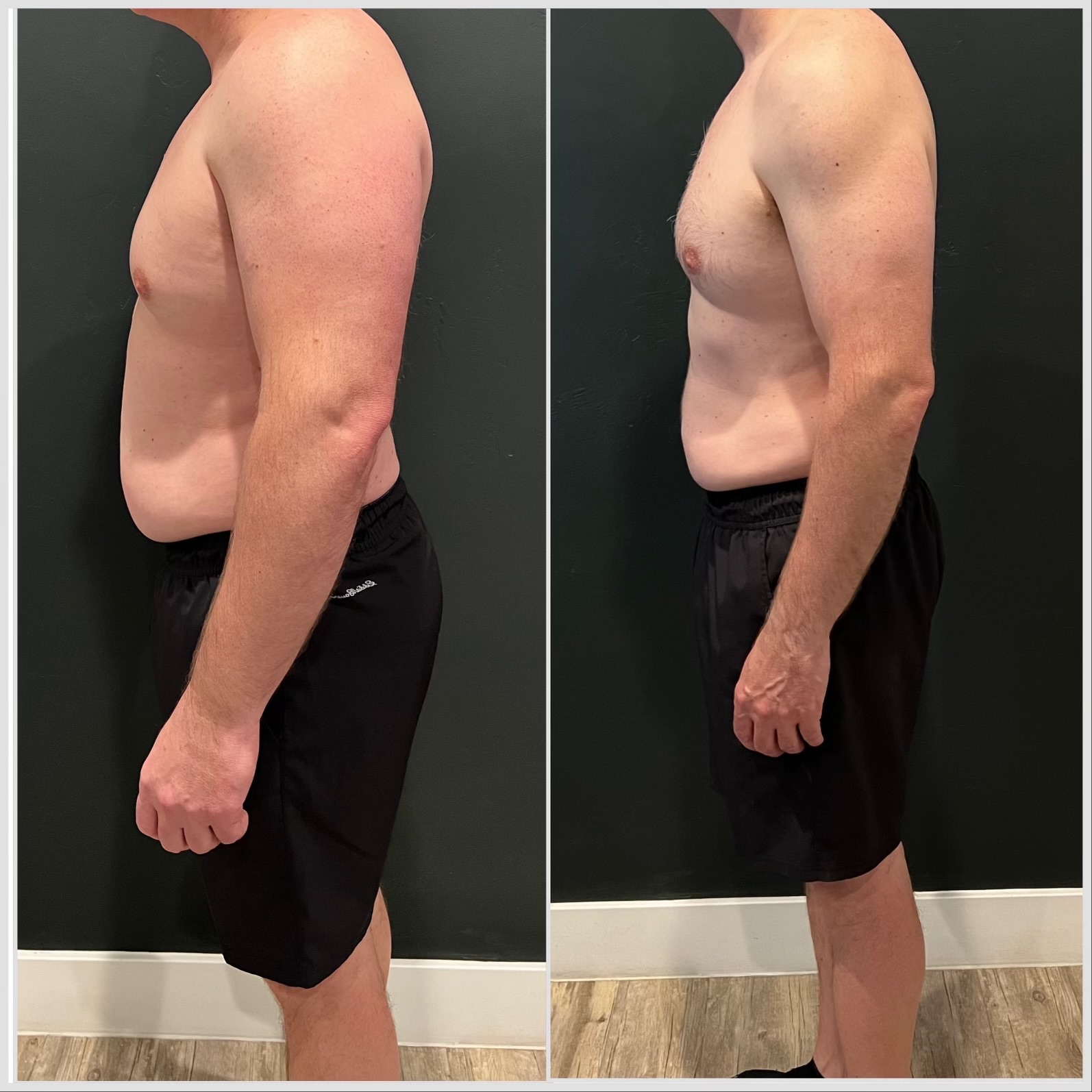
Why This Works Best Inside a Structured Med Spa Weight Loss Program
Here’s something worth being upfront about: peptides aren’t a “take it and forget it” kind of treatment. They work best as part of a real, supervised program, not as a solo experiment. A good med spa weight loss program gives you the oversight, personalization, and support to get real results safely.
Medical Oversight Isn’t Optional
Weight loss injections are prescription medications, and getting the dosing right matters. A solid program should include:
- Initial consultationand labs – to check for thyroid issues, cortisol imbalances, or other underlying conditions before you even start
- Careful dose titration– since the right semaglutide dose for weight loss is almost never the same on day one as it is at month three
- Ongoing side effect management– so if nausea or constipation shows up (which is common early on), your provider can adjust things quickly instead of leaving you to just push through it
Peptides Can Be Personalized Beyond GLP-1
GLP-1 is the headline peptide for fat loss, but it’s not the only tool in the toolbox. Depending on what your body needs, a provider might also bring in:
- Growth hormone-releasing peptides– like Tesamorelin or CJC-1295, which support lean muscle and a healthier metabolic rate
- Recovery and energy-focused peptides– like BPC-157 or NAD+, which can help with gut healing, inflammation, and the fatigue that sometimes comes with eating in a calorie deficit
- Other appetite-regulating peptides– used alongside GLP-1 when it makes sense for the patient
This is really what makes peptides for weight loss so appealing: the plan can be built around your actual biology, not a one-size-fits-all protocol.
Peptides Work Better Paired With Real Lifestyle Coaching
Peptides aren’t magic, and any med spa weight loss program worth your time will tell you that upfront. What they do is buy you a window where cravings are quieter and portions feel more manageable, which makes it a lot easier to actually build habits that stick, like:
- Eating a protein-forward diet that protects your muscle mass while you lose fat
- Adding in movement you can realistically keep up with
- Working through the emotional or habitual triggers that led to weight gain in the first place
That coaching piece is what carries people through once treatment eventually winds down.
Is It Safe? Let’s Talk Honestly About Risk
GLP-1 medications have a strong safety track record when they’re managed by an actual medical provider, but that doesn’t mean there’s zero risk.
Most people who experience side effects deal with gastrointestinal stuff: nausea, occasional vomiting, diarrhea, or constipation. These usually ease up as your body adjusts, and a properly managed semaglutide dose for weight loss (started low and increased gradually) helps minimize how rough that adjustment period feels. There are also contraindications to be aware of, including certain thyroid cancer histories and specific endocrine conditions, which is exactly why a thorough medical screening has to come before any prescription.
No, It’s Not “The Easy Way Out”
People love to say GLP-1 medications are cheating. They’re not. What they actually do is remove some of the biological noise that makes dieting so miserable for so many people. You still have to show up, eat reasonably well, and move your body. The medication just makes that a lot more doable than it would be while fighting constant hunger signals all day long.
Where Peptide Science Is Headed
We’re still early in this. Newer options like tirzepatide are already dual-action, targeting both GLP-1 and GIP receptors at once, and research into even more targeted peptide combinations is moving fast. The next several years are likely to bring weight loss solutions that are more precise, more personalized, and even more effective than what’s available today.
Ready to Get Started? Summit Medical Spa Can Help
If you’re looking for weight loss solutions that actually take your biology into account, Summit Medical Spa offers medically supervised peptide therapy, including personalized semaglutide dosing plans built around your health history and goals. Our team handles everything from initial labs to ongoing dose adjustments and side effect management, so you’re never guessing your way through treatment.
We believe real, lasting results come from combining smart peptide therapy with genuine lifestyle coaching, not just handing you a prescription and sending you on your way. If you’re ready to see what a personalized med spa weight loss program can do for you, we’d love to talk through your options and build a plan that actually fits your body and your life.
Unlock Your Weight Loss Potential with Peptides
Frequently Asked Questions
What’s a typical semaglutide dose for weight loss?
Honestly, it depends on you. Most people start low, around 0.25mg a week, and your provider bumps it up gradually from there. The goal is finding a semaglutide dose for weight loss that works well without side effects piling up.
How is a med spa weight loss program different from just getting a prescription?
A prescription alone just hands you the medication. A real med spa weight loss program adds labs, dose adjustments, side effect check-ins, and coaching along the way, soyou’re not just guessing your way through treatment on your own.
Are peptides for weight loss safe?
For most people, yes, especially with a provider keeping an eye on things. The usual side effects are mild,think nausea or constipation early on. That said, a proper screening beforehand matters, since a few health conditions do rule peptides out.
How much weight can I expect to lose with GLP-1 peptides?
Itvaries person to person, but clinical trials show average losses between 15% and 20% of total body weight, which is pretty remarkable. How closely you stick with dosing and lifestyle changes plays a big role in where you land.
Do I still need to diet and exercise while using weight loss solutions like semaglutide?
Yeah, you do, but it gets a lot easier. Weight loss solutions like semaglutide quiet the hunger and cravings that usually derail people, so eating well and staying activeactually feels doable instead of like a constant uphill fight