
 Laser Hair Removal
 Injectables & Fillers
 Clearlift Skin Rejuvenation
 IPL | Photofacial
 Hormone Therapy
 Lymphatic Drainage
 Signature Massage
 Float
Float Couples Massage
 Aesthetics
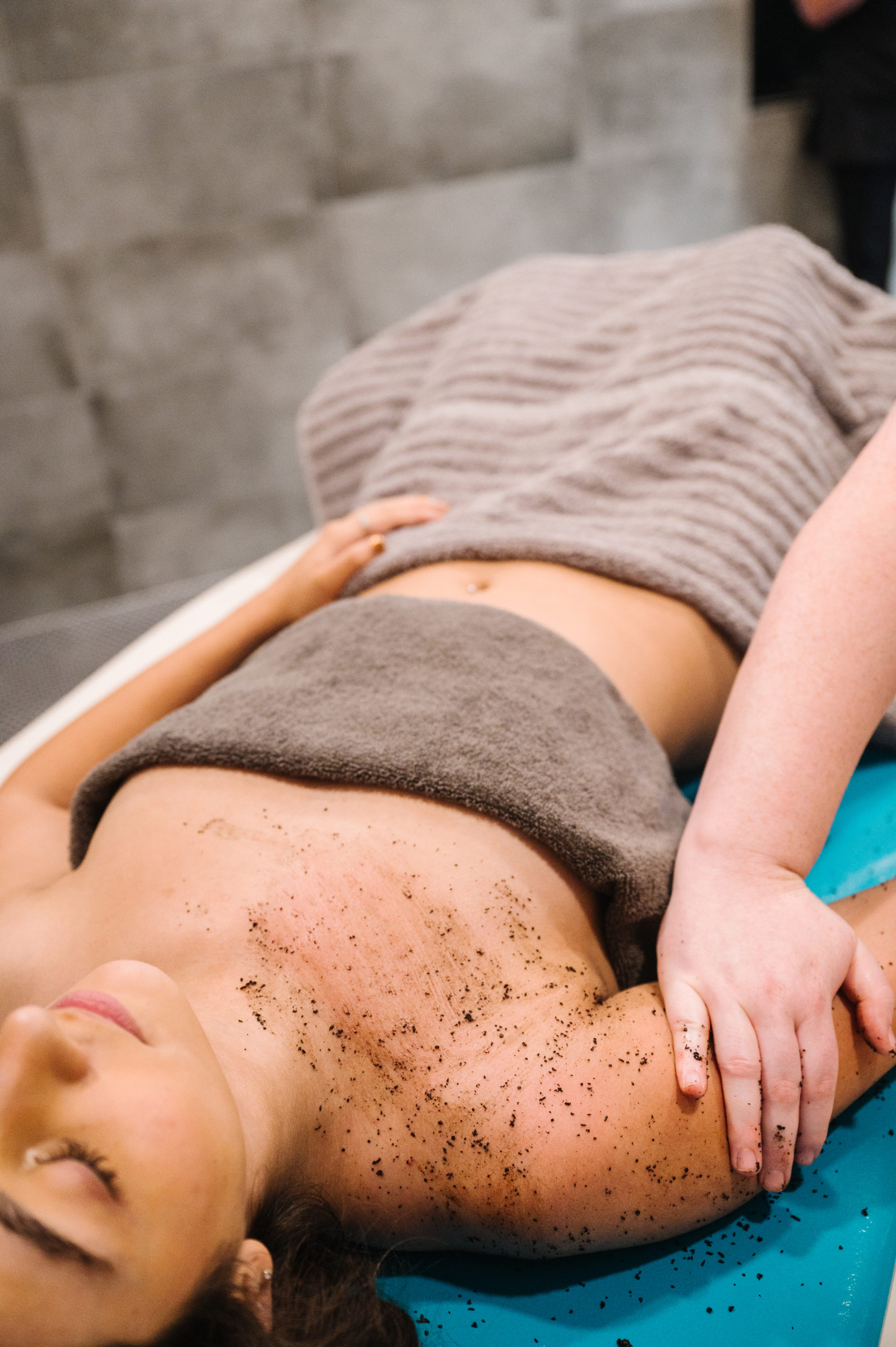 Body Treatments
 Facials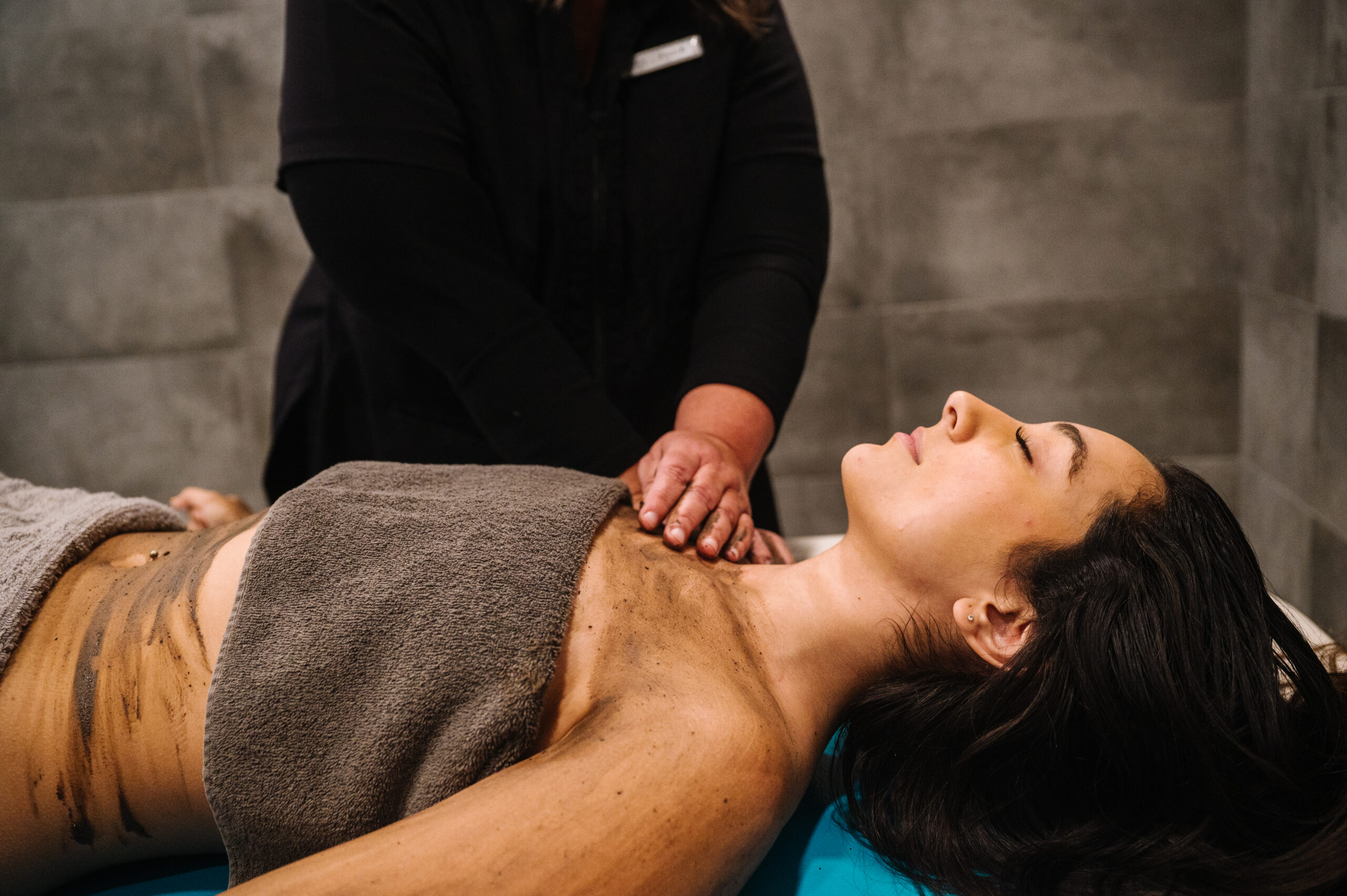
 VAGINAL REJUVENATION
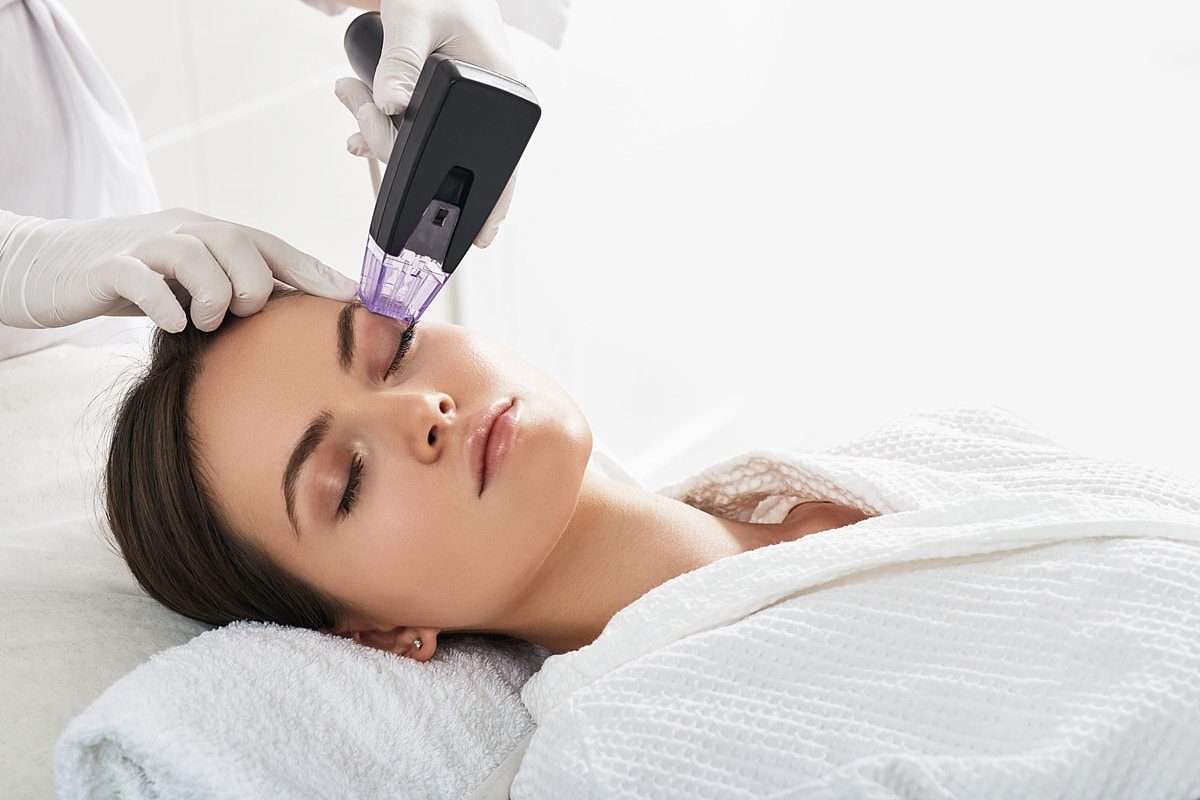 MORPHEUS8 FACE
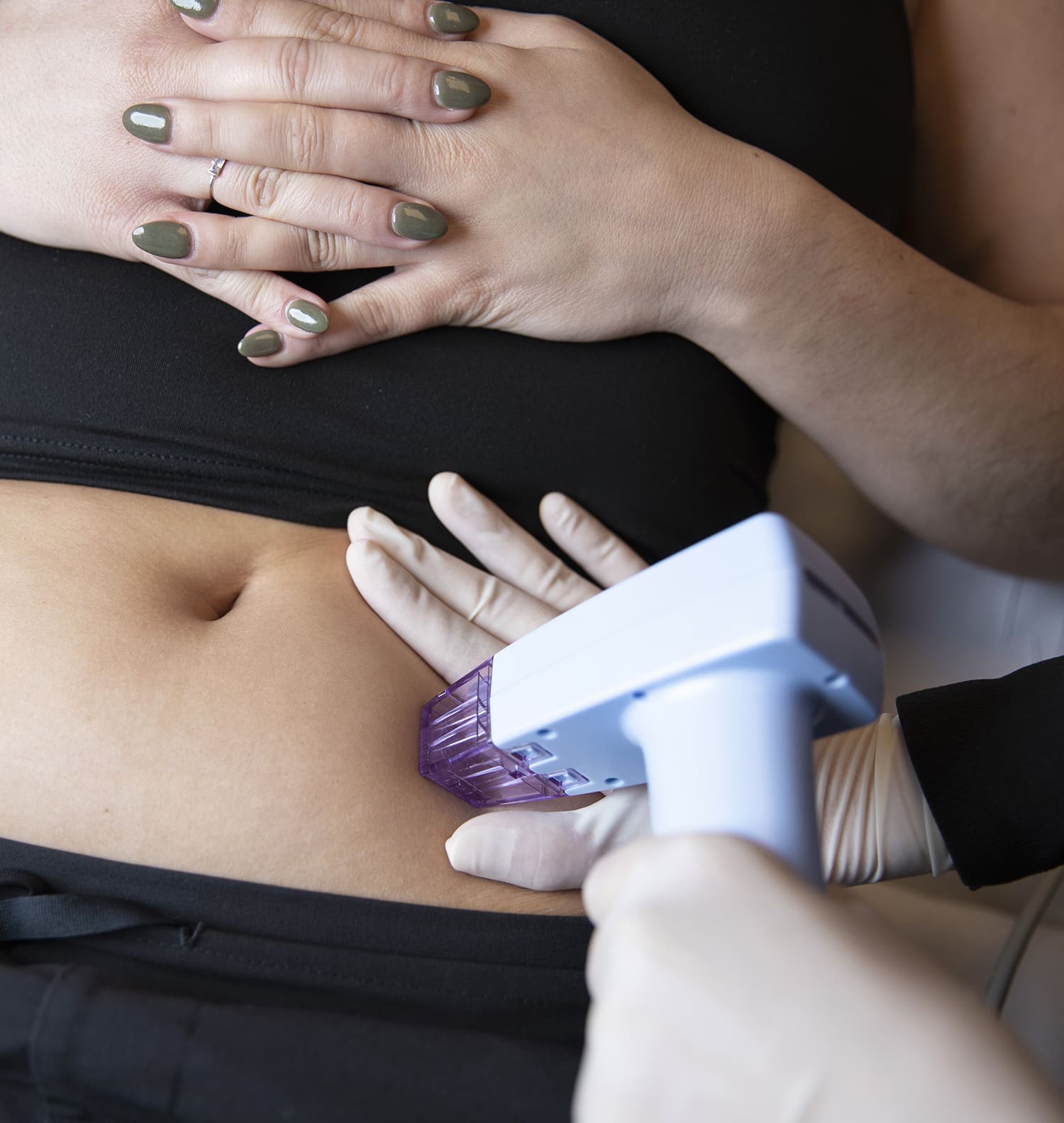 MORPHEUS8 BODY
 TONE
TONE URINARY INCONTINENCE
 HORMONE THERAPY

Imagine stepping into a quiet space where the world fades away. No buzzing phones, no chatter, no distractions. Just you, weightless, floating in warm water that matches your body temperature. That is the heart of floating therapy, also known as float therapy or sensory deprivation. It may sound futuristic, but it is actually one of the most natural ways to relax your mind and body.
Let’s explore what this therapy is, how it helps your mind heal, and why so many people in places like Spanish Fork and Eagle Mountain are choosing it for stress relief and balance.
What Is Float Therapy
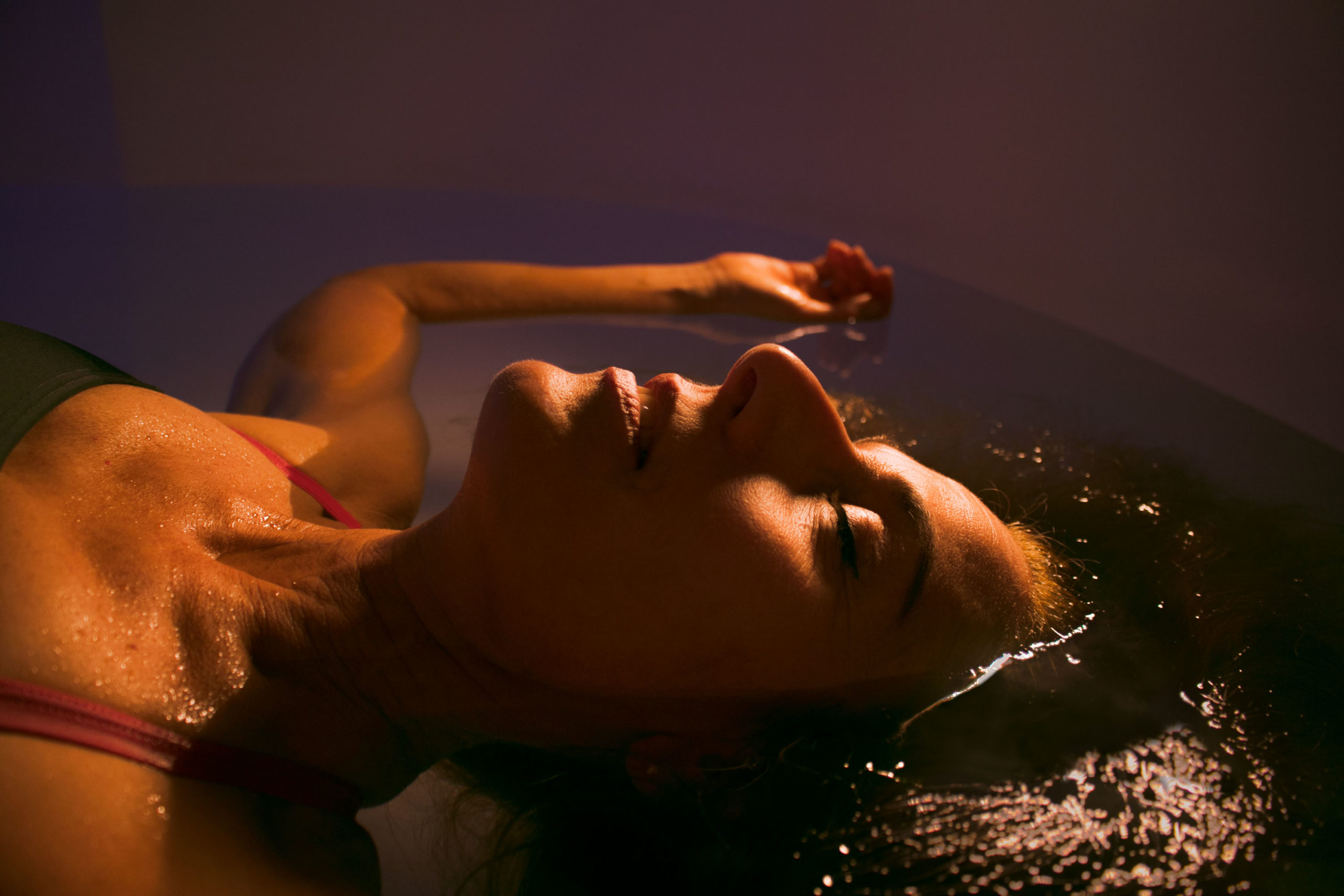
Float therapy takes place in something called a sensory deprivation pod. It is a large enclosed tank filled with warm water and Epsom salt. The salt makes the water extremely buoyant, allowing you to float effortlessly, almost like drifting in space. The temperature is carefully controlled to match your skin so you can hardly tell where your body ends and the water begins.
Inside the pod, everything is dark and quiet. There are no sounds, no lights, and no distractions. It is designed to remove sensory input, giving your brain a break from the constant flood of information it deals with every day.
At first, it might feel unusual. Most of us are used to background noise and movement, so total stillness feels unfamiliar. But once you settle in, something amazing happens. Your body starts to release tension, and your mind drifts into a calm, meditative state.
How Floating Therapy Works
To understand how floating therapy heals, it helps to know what happens inside your body and brain while you float.
When you step into a sensory deprivation pod, your nervous system switches from fight-or-flight mode to rest-and-relax mode. Your heart rate slows down, your blood pressure drops, and your muscles release stored tension.
Your brain begins to produce more theta waves. These are the same brain waves that appear during meditation or right before sleep. They are linked to creativity, clarity, and deep relaxation.
Meanwhile, the Epsom salt in the water, which is magnesium sulfate, helps your muscles recover and reduces inflammation. Magnesium also calms the nervous system, improves sleep, and can even boost your mood. So while you float, your body is soaking up healing minerals that help restore balance from the inside out.
Mental Health Benefits of Float Therapy
The mental benefits of float therapy are powerful. Here are a few ways it helps heal your mind.
- Stress relief
When you float, it’s like hitting the pause button on life. Your brain can really rest when there are no distractions. After just one session, cortisol levels, which cause stress, go down a lot, according to research.
- Better Sleep
Floating can help people who have trouble sleeping or can’t stay asleep because it lowers stress and tension. A lot of people who float say they sleep better for days afterward.
- Help with depression and anxiety
The quiet, weightless space makes me feel very calm. A lot of people say it feels like their mind is resetting. Float therapy doesn’t take the place of therapy or medication, but it can help your body relax and your mind slow down, which can make other treatments work better.
- Better focus and creativity
Have you ever noticed that you think of your best ideas when you’re calm? The same thing happens when you float. It gets rid of mental clutter so your thoughts can move freely. Many artists, businesspeople, and professionals float to get their creative juices flowing and get back on track.
What to Expect During Your First Float
If you have never tried floating therapy before, it is normal to feel curious or even a little nervous. But there is nothing to worry about.
You will start by showering before your session to remove oils and lotions. Then, you step into the sensory deprivation pod, close the lid, and allow yourself to float. You can keep the lights on for a few minutes if total darkness feels uncomfortable.
Most sessions last about an hour. Some people meditate, others fall into light sleep, and some just enjoy the stillness. When your time is up, you shower again and notice how light, relaxed, and clear-headed you feel. Many describe it as hitting the reset button for their mind.
Why Floating Therapy Is Becoming Popular
It is easy to see why floating therapy is gaining popularity, especially in communities like Spanish Fork and Eagle Mountain. People are realizing that rest is not a luxury; it is a need.
Between work, family, and screens, our minds rarely get a true break. Floating gives you that rare chance to unplug and breathe. It is a natural way to recharge without medication or effort. You simply float and let your body and mind recover.
Many local clients say that regular float sessions make them feel calmer and more centered. They notice they handle daily stress better and feel more emotionally balanced. It is not just about relaxing for an hour. It is about creating lasting peace within yourself.
Conclusion
If you have been wondering what is float therapy, the answer is simple. It is one of the most effective ways to rest, de-stress, and reconnect with yourself. Inside a sensory deprivation pod, you can find something most of us are missing—true stillness.
So if you are feeling stressed, burned out, or just need time for yourself, floating therapy might be exactly what you need. If you live near Spanish Fork or Eagle Mountain, come experience it firsthand. All you need to do is step in, float, and let your mind heal naturally.
FAQs
Q1. What do you wear during float therapy?
Most people float without clothing to fully relax, but swimsuits are welcome if you prefer.
Q2. How long does a float therapy session last?
A typical float therapy session lasts about 60 minutes, giving your mind and body time to completely unwind.
Q3. Is float therapy safe for everyone?
Yes, most people can safely use float therapy. But if you have skin problems, open wounds, or certain medical problems, you should see a doctor first.