
 Laser Hair Removal
 Injectables & Fillers
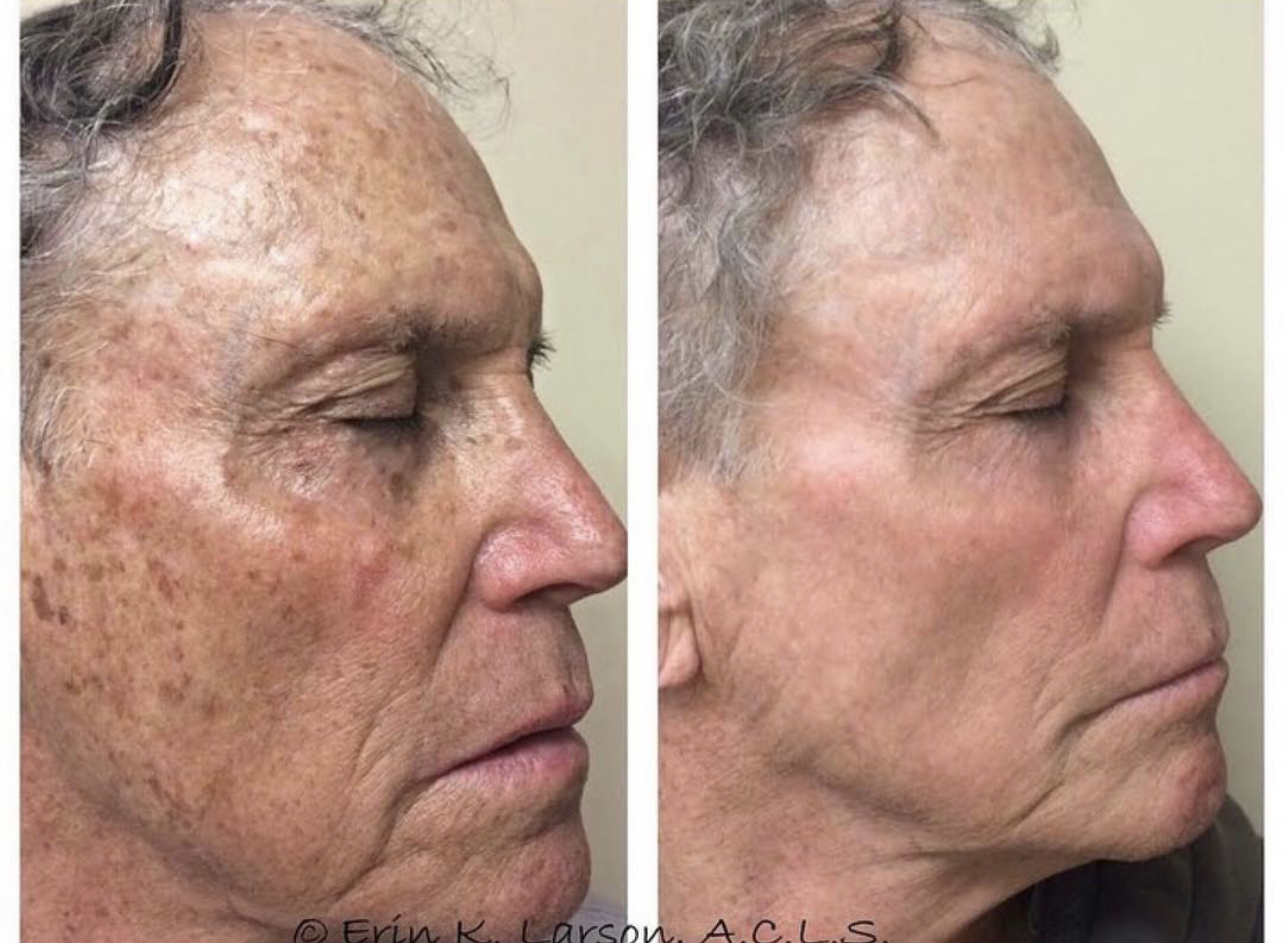 Clearlift Skin Rejuvenation
 IPL | Photofacial
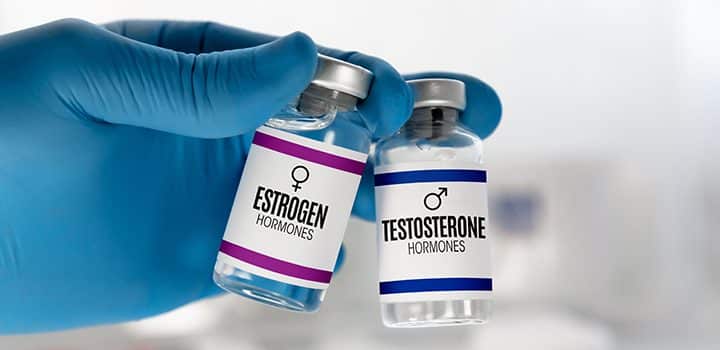 Hormone Therapy
 IV Therapy
 Signature Massage
 Float
Float Couples Massage
 Aesthetics
 Body Treatments
 Facials
 VAGINAL REJUVENATION
 MORPHEUS8 BODY
 TONE
TONE URINARY INCONTINENCE
 HORMONE THERAPY
The landscape of medical weight loss has been fundamentally transformed by scientific breakthroughs in understanding the body’s metabolic and hormonal signaling systems. For decades, the focus was primarily on diet and exercise; now, the conversation has shifted toward optimizing internal biochemistry. At the forefront of this revolution is a class of compounds known as peptides. These tiny, naturally occurring chains of amino acids act as biological messengers, regulating everything from growth and healing to, most critically, appetite and metabolism.
This comprehensive article delves into the profound role of peptides in modern weight management, exploring how these powerful signaling molecules, particularly the game-changing GLP-1 agonists, are offering effective, sustained solutions for those struggling with obesity. We will unpack the science behind how these cutting-edge weight loss injections work, their unparalleled efficacy, and why integrating peptide therapy into a structured medical weight loss program represents the future of achieving and maintaining a healthy weight.
Understanding Peptides: The Body’s Biological Messengers
To appreciate the role of peptides in weight loss, one must first understand their function. Peptides are short chains of amino acids—typically 2 to 50 amino acids long—linked together. They are distinct from proteins, which are much longer chains. Peptides are crucial because they serve as signaling molecules, directing cells to perform specific functions.
In the context of the human body, thousands of different peptides exist, regulating nearly every biological process:
-
Hormonal Regulation: Peptides act as hormones (e.g., insulin, ghrelin).
-
Immune Function: Peptides help modulate the immune system.
-
Tissue Repair and Growth: Peptides stimulate the release of Human Growth Hormone (HGH).
-
Metabolism and Appetite: Crucially, specific peptides regulate energy balance, hunger, and satiety.
The innovation in medical weight loss lies in the ability to synthetically create peptides that mimic or enhance the action of the body’s natural signaling peptides, thereby correcting metabolic dysfunctions that lead to weight gain.
Unlock Your Weight Loss Potential with Peptides
The Game Changer: GLP-1 Agonists and Their Role in Weight Loss
The most significant advancement in peptide-based medical weight loss involves the class of drugs known as GLP-1 (Glucagon-like Peptide-1) receptor agonists. These peptides are scientifically proven to be highly effective at inducing substantial and sustainable weight reduction.
What is GLP-1?
Naturally occurring GLP-1 is a gut hormone released after we eat. Its primary functions are:
-
Stimulating Insulin Release: It encourages the pancreas to release insulin, helping to lower blood sugar (glucose).
-
Slowing Gastric Emptying: It slows down how quickly food leaves the stomach, prolonging the feeling of fullness and satiety.
-
Appetite Regulation: It communicates directly with the appetite centers in the brain (hypothalamus), significantly reducing hunger and cravings.
How GLP-1 Peptides Drive Weight Loss
Synthetic peptides that mimic GLP-1 (such as Semaglutide and Tirzepatide, administered as weight loss injections) leverage these natural mechanisms but are engineered to last much longer in the body (often a week). Their combined actions result in a powerful triple-action mechanism for weight loss:
-
Reduced Caloric Intake: By suppressing appetite and enhancing satiety, patients naturally consume fewer calories without the constant struggle of willpower.
-
Improved Metabolic Health: By regulating blood sugar and improving insulin sensitivity, these peptides address the underlying metabolic dysfunctions (like insulin resistance) that often cause weight gain.
-
Better Behavioral Control: The reduction in food noise and intense cravings allows patients to focus on making positive, long-term dietary and lifestyle changes.
The clinical data on GLP-1 agonists show average weight loss percentages far exceeding what was previously possible with non-surgical medical interventions, establishing them as the gold standard in modern medical weight loss.
Integrating Peptides into a Structured Medical Weight Loss Program
Peptide therapy is most effective when managed within a comprehensive medical weight loss program, rather than as a standalone drug. A structured program provides the necessary oversight, customization, and support to ensure safety and maximize results.
1. The Necessity of Medical Oversight
The administration of peptides requires precision. Weight loss injections are prescription medications that must be managed by licensed medical professionals. The program should include:
-
Initial Consultation and Lab Work: Comprehensive screening is vital to identify existing metabolic conditions (thyroid issues, high cortisol, etc.) and establish a baseline.
-
Dosage Titration: Peptides require careful, gradual dosage increases (titration) to minimize side effects and optimize results, a process that must be medically supervised.
-
Side Effect Management: While generally well-tolerated, potential side effects (often gastrointestinal, like nausea or constipation) must be managed promptly and effectively by a provider.
2. Personalized Peptide Cocktails
While GLP-1 agonists are the primary peptide for fat loss, other peptides can be integrated into a personalized plan to address specific patient needs:
-
Peptides for Growth Hormone Release (e.g., Tesamorelin, CJC-1295): These are used to increase lean muscle mass and improve body composition. Increased muscle helps boost basal metabolic rate, making it easier to maintain weight loss.
-
Peptides for Energy and Fatigue (e.g., BPC-157, NAD+): Often included to support gut healing, reduce inflammation, and enhance cellular energy, combating the common fatigue experienced during caloric restriction.
-
Peptides for Appetite Regulation (other than GLP-1): Some specialty peptides may be used to modulate other hunger hormones.
The role of peptides in a modern clinic is therefore multifaceted, offering a highly customizable therapeutic approach.
3. Combining Peptides with Lifestyle Coaching
The ultimate goal of medical weight loss is long-term health, not just temporary scale movement. Peptides act as a tool to make the necessary lifestyle changes easier by suppressing hunger and improving metabolism. A quality program uses this window of opportunity for effective coaching on:
-
Nutrition: Adopting a protein-rich, balanced diet that supports muscle mass retention.
-
Activity: Implementing sustainable exercise routines.
-
Behavioral Change: Addressing emotional triggers and establishing healthy coping mechanisms.
This integration is key to ensuring that once the peptide therapy concludes, the patient possesses the tools and habits necessary for maintenance.
Safety, Efficacy, and Addressing Misconceptions
The excitement surrounding peptides is rooted in their high efficacy and safety profile when used under medical supervision.
Efficacy Data
The efficacy of GLP-1 agonists in particular is unmatched by non-surgical pharmaceuticals. Clinical trials have demonstrated average total body weight loss ranging from 15% to over 20%—results that were historically only attainable through bariatric surgery. This high efficacy is why they are considered revolutionary in the treatment of obesity.
Safety and Risks
Like all medications, weight loss injections carry risks, which is why medical oversight is essential. The primary side effects are typically gastrointestinal (nausea, vomiting, diarrhea, constipation) and tend to be manageable, often decreasing as the body adjusts to the medication. Contraindications exist, particularly for patients with a history of certain types of thyroid cancer or specific endocrine disorders, highlighting the critical importance of a thorough medical assessment before starting treatment.
The Myth of “Easy Weight Loss”
While peptides make the process easier by reducing hunger, they are not a magic bullet. They provide the biological assistance needed for success, but the patient must still commit to the program’s lifestyle requirements. The drugs facilitate change, but they do not replace the fundamental need for nutritional discipline and physical activity. Their role of peptides is to optimize the playing field.
The Future of Medical Weight Loss
The current generation of peptides is just the beginning. The future of medical weight loss involves increasingly sophisticated peptide research targeting multiple metabolic pathways simultaneously (such as dual agonists like Tirzepatide, which targets both GLP-1 and GIP receptors). This will lead to even more significant weight loss results and better long-term metabolic health outcomes, marking a paradigm shift in how chronic conditions like obesity are treated.
The accessibility and expertise required for these advanced therapies solidify the position of specialized medical aesthetic and wellness clinics as the primary destination for cutting-edge medical weight loss.
Choose Summit Medical Spa for Peptide-Based Weight Loss
If you’re ready to embrace the future of effective and sustainable weight management, Summit Medical Spa offers industry-leading, medically supervised medical weight loss programs utilizing advanced peptides and weight loss injections. Our expert team understands the intricate role of peptides in metabolism and is dedicated to creating a customized, safe, and supportive plan tailored precisely to your unique biology and health goals. We provide the comprehensive care, ongoing monitoring, and lifestyle coaching necessary to help you achieve not just temporary loss, but lasting metabolic health.
It’s time to stop fighting your biology and start working with it. Discover the transformative power of peptide-based medical weight loss.